-
Capital City of Nepal Kathmandu
-
3 Star Hotel / Tea houses
-
Autumn / Spring
-
City Breakfast / Mountain Breakfast, lunch, Dinner
-
Bus, Car, Jeep
-
5-7 hrs.
-
3700 m.
Overview
If you are searching for a truly unique and off-the-beaten-path adventure in Nepal, the Tsum Valley Trek offers an extraordinary journey into one of the most secluded and culturally preserved regions of the Himalayas.
The Tsum Valley Trek Nestled in the remote northern part of the Gorkha District, this hidden gem remains untouched by modern development and mass tourism, making it an ideal destination for travelers seeking authenticity, peace, and spiritual depth.Known as the “Valley of Happiness,” Tsum Valley is a sacred Himalayan valley where ancient traditions, Tibetan Buddhist culture, and pristine landscapes continue to thrive.
Open to trekkers for less than two decades, the region still retains its raw beauty and cultural purity, offering an experience far removed from the crowded trails of Nepal’s more commercial trekking routes.
A Journey Through Culture, Nature, and Spirituality
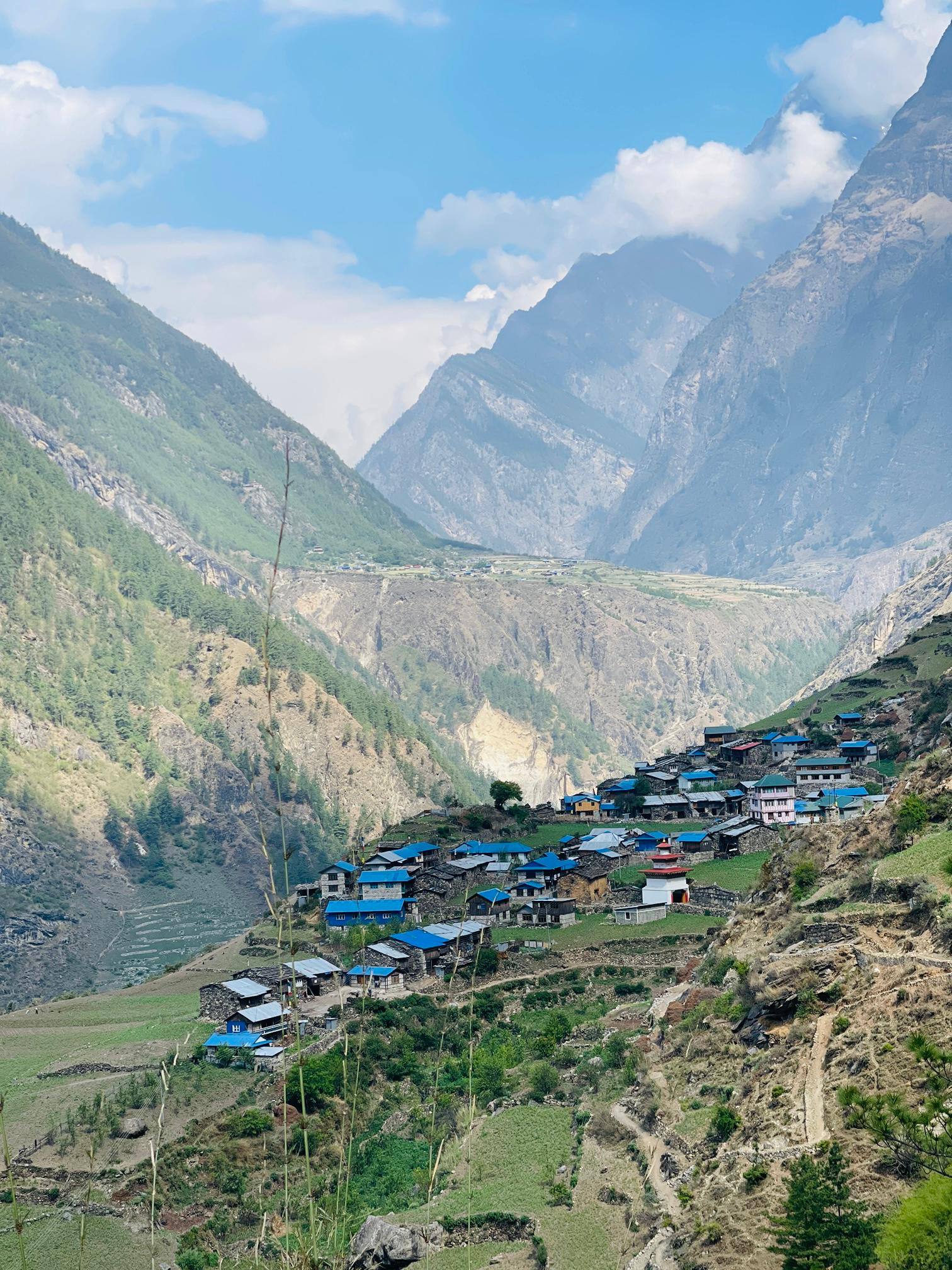
The Tsum Valley Trek is more than just a trek—it is a journey into a living heritage. As you walk through this mystical valley, you will encounter centuries-old monasteries, sacred caves, prayer walls, and traditional villages where locals continue to practice their ancestral way of life.
Trekkers pass through important Buddhist sites, including ancient gompas, where the influence of Tibetan culture is deeply rooted. The warm hospitality of the local communities adds a meaningful human connection to the journey, making every step culturally enriching.
Spectacular Himalayan Landscapes
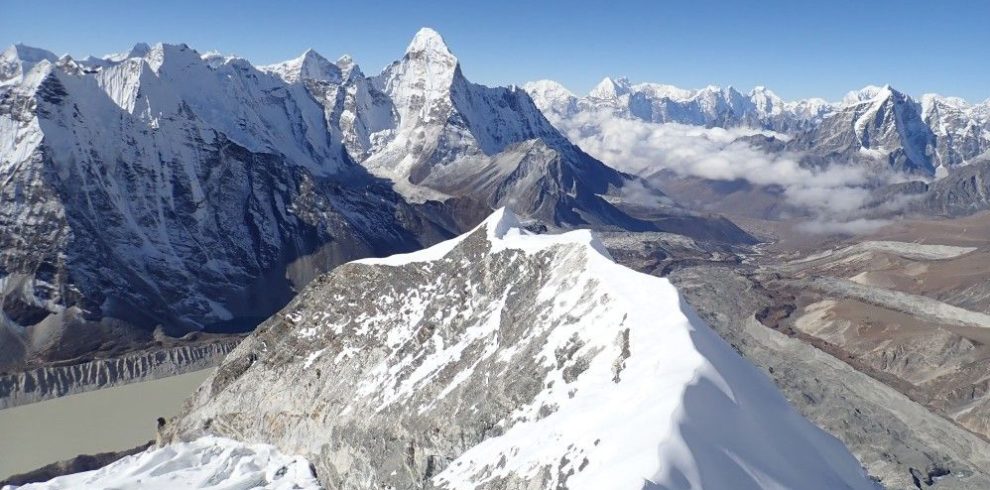
Surrounded by the majestic ranges of Ganesh Himal, Sringi Himal, and Boudha Himal, the trek rewards you with breathtaking mountain views and diverse landscapes. As you gain altitude, the scenery transforms dramatically—from lush subtropical forests and terraced farmlands to alpine meadows and rugged high-altitude terrain.
On clear days, trekkers can also witness stunning views of Mount Manaslu (8,163 m) and Himalchuli (7,893 m), adding to the grandeur of the journey.
Trek Overview and Route
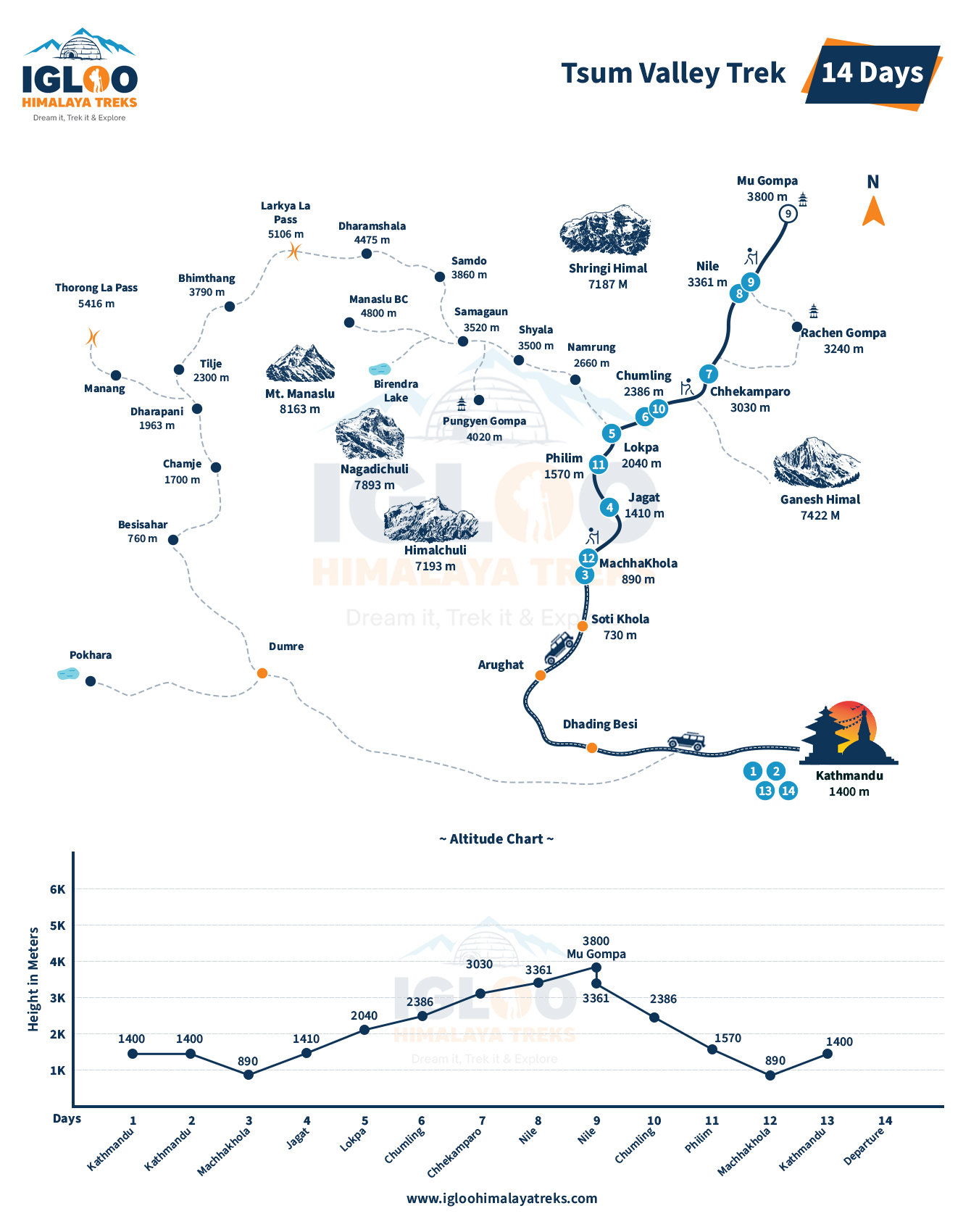
The Tsum Valley trek typically begins with a scenic drive from Kathmandu to either Arughat or Soti Khola. From here, the trail gradually ascends through rhododendron forests, river valleys, and traditional settlements before reaching the high and sacred Tsum Valley near the Nepal-Tibet border.
Unlike many Himalayan treks, this journey does not require flights, making it both accessible and adventurous. Over approximately 11 days, trekkers explore remote landscapes often situated above 3,000 meters, where the mountain scenery becomes increasingly dramatic and spiritually profound.
Tsum Valley Trek Accommodation
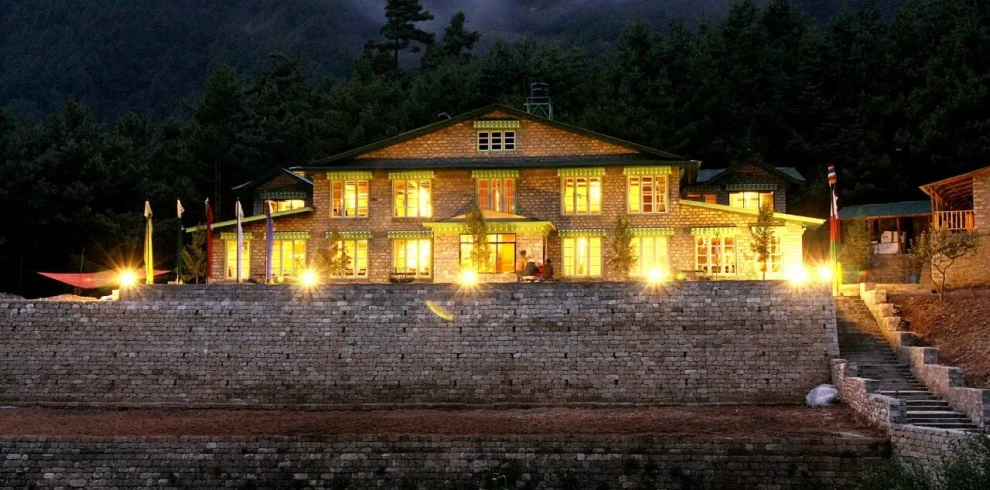
Accommodation on the Tsum Valley Trek is about as far from luxury as you can get—and that’s exactly the point. This remote Himalayan region remains largely untouched by mainstream tourism, so instead of polished lodges like those on Everest Base Camp or the Annapurna Circuit, you’ll stay in simple, family-run teahouses and occasional homestays. The experience is humble, but deeply authentic.
Simple Teahouses, Genuine Hospitality
Teahouses in Tsum Valley Trek are basic yet welcoming. Most offer small twin-sharing rooms with two single beds, thin mattresses, and minimal bedding. It’s best not to imagine a “bedroom” in the usual sense—these are functional sleeping spaces designed for trekkers, not comfort seekers. Bathrooms are almost always shared and located outside the main building, typically with Asian-style squat toilets.
In lower villages like Chumling and Chhokang Paro, you may find slightly better facilities—wood-heated dining rooms, solar lighting, and occasionally even limited Wi-Fi. But as you ascend toward higher settlements like Nile or Mu Gompa, amenities become increasingly sparse. In some places, you might even stay in monastery accommodation, offering a rare glimpse into the peaceful daily life of Buddhist monks.
Electricity, Charging & Connectivity
Electricity is limited and often solar-powered in the Tsum Valley Trek. Don’t expect power outlets in your room—charging devices usually happens in the communal dining area, and it comes at a cost (typically USD 2–7 per device). Bringing a power bank is a smart move. A headtorch is also essential, especially at night when lighting is minimal.
Toilets & Showers
Toilets are usually in a separate structure outside the teahouse and are predominantly squat-style. Hot showers, if available, are basic and cost extra—usually around USD 2–5 per use. In higher or more remote areas, hot water may not be available at all.
Stay Warm & Prepared
Temperatures in Tsum Valley Trek can drop significantly, especially at night. Teahouses provide blankets, but they’re often not enough. A warm sleeping bag rated between -10°C to -15°C is highly recommended.
Booking & Availability
Because of the limited number of teahouses, rooms can fill up quickly during peak trekking seasons (spring and autumn). However, outside these periods, advance booking is generally not necessary.
Tsum Valley Trek meals
Trekking through the remote and sacred Tsum Valley is not only a journey through breathtaking Himalayan landscapes but also an immersion into a unique food culture shaped by Tibetan and Nepali traditions. Due to the valley’s isolation and strong Buddhist values, most meals are simple, organic, and predominantly vegetarian, with ingredients sourced locally from nearby farms.
At the heart of every trekker’s diet is Dal Bhat, the classic Nepali meal of rice, lentil soup, seasonal vegetables, and pickles. This wholesome combination provides the essential carbohydrates and proteins needed to sustain long days of trekking. Equally important is Tsampa, a roasted barley flour staple often mixed with tea or milk, offering a highly nutritious and energy-dense boost.
Along the trail, teahouses serve a variety of comforting Tibetan dishes. Popular options include Thukpa (hearty noodle soup), Momos (steamed dumplings), and traditional Tibetan bread. A must-try is butter tea, a salty blend of tea and yak butter that helps keep trekkers warm and energized in the cold mountain climate.
As you ascend to higher altitudes, food options become more basic due to limited supplies. Meals tend to focus on carbohydrate-rich ingredients like potatoes, rice, and noodles. Breakfast usually consists of porridge, pancakes, or eggs, while dinners often include fried rice, spaghetti, or vegetable curries.
Because of the valley’s remoteness, food prices are higher than in other trekking regions. Supplies are transported by porters or mules, making it important for trekkers to support local teahouses by eating where they stay rather than carrying their own meals.
To maintain energy levels, it’s wise to bring high-calorie snacks such as nuts, chocolate, and protein bars, as teahouse portions may not always meet the high demands of trekking. Drinking water is available along the route, but using purification methods like filters or tablets is strongly recommended to reduce plastic waste from bottled water.
Ultimately, meals in Tsum Valley reflect the region’s spiritual simplicity and natural purity. Every dish tells a story of tradition, resilience, and harmony with nature—offering trekkers not just nourishment, but a genuine taste of Himalayan life.
Tsum Valley Treks Gear Packing
Trekking into the remote beauty of Tsum Valley Trek demands more than just excitement—it requires the right gear, thoughtfully chosen for changing terrain, altitude, and limited facilities. This guide is built to keep you comfortable, safe, and fully immersed in the journey.
1. Daily Wear System: Built for Every Climate
Versatile Shirts
Carry both long-sleeve and short-sleeve shirts. Long sleeves help protect against strong sun, wind, and dust, while short sleeves are ideal for hot and humid lower regions.
Trekking Pants
To make choice for lightweight, breathable, and quick-drying trekking pants that allow free movement. Stretch fabric adds comfort on steep climbs, while zip-off (convertible) pants are great for adapting to warmer sections of the trail.
Innerwear & Base Comfort
Quick-drying, breathable underwear is often overlooked but essential for hygiene and comfort during multi-day treks. Avoid cotton and choose moisture-wicking fabrics.
Lightweight Down Vest (Optional Layer)
A packable down vest adds core warmth without bulk and is perfect for layering during chilly mornings or rest stops.
Camp Wear / Sleepwear
Bring a separate set of clean, warm clothes for evenings and sleeping. This helps you stay dry, comfortable, and well-rested for the next day.
Glove Liners & Extra Hat
For colder regions, thin glove liners add warmth and flexibility, while an extra hat ensures you always have dry backup gear.
Cold-Weather Gear
Higher altitudes bring colder conditions. Pack an insulated jacket (down or synthetic), thermal base layers, a warm hat, and gloves to stay protected from cold temperatures, especially in the mornings and evenings.
Footwear
Sturdy, waterproof hiking boots with good grip and ankle support are essential for rugged terrain. Additionally, lightweight shoes or sandals are perfect for relaxing at teahouses after long trekking days.
Performance Socks
Choose wool or synthetic socks that wick moisture and prevent blisters. Cushioned hiking socks provide extra comfort, and carrying multiple pairs ensures your feet stay dry.
Buff or Scarf
A buff or scarf is a versatile item—use it to protect your face and neck from dust, sun, wind, or cold. It can also double as a headband or light face cover.
Gaiters (Optional but Useful)
Gaiters help keep dust, mud, snow, or small stones out of your boots—especially useful on rugged or snowy trails.
2. Core Trekking Gear:
When you’re far from roads and cities, reliability matters.
- Backpack (40–50L): Spacious yet comfortable for multi-day trekking
- Sleeping Bag: Rated for at least -10°C to -20°C for cold mountain nights
- Trekking Poles: Added balance and reduced strain on steep terrain
- Headlamp + Extra Batteries: Essential in areas with limited or no electricity
- Quick-Dry Towel & Toiletries: Keep it light, compact, and practical
3. Health & Safety:
Remote trekking means being self-reliant.
- First Aid Kit: Include blister care, basic medication, and personal prescriptions
- Water Purification: Tablets, filter, or system—safe drinking water is crucial
- Sun Protection: Sunscreen, sunglasses, and lip balm to handle high-altitude exposure
- Energy Snacks: Lightweight, high-calorie fuel for long trekking days
4. Small Items:
- Power Bank: Stay connected where electricity is limited
- Personal Hygiene Kit: Keep it minimal but essential
- Dry Bags: Protect gear from moisture and dust
Highlights
- Explore the mystical Tsum Valley, once a restricted region that has preserved its authenticity for centuries. This is not just a trek—it’s a rare cultural passage into a hidden world few have truly experienced.
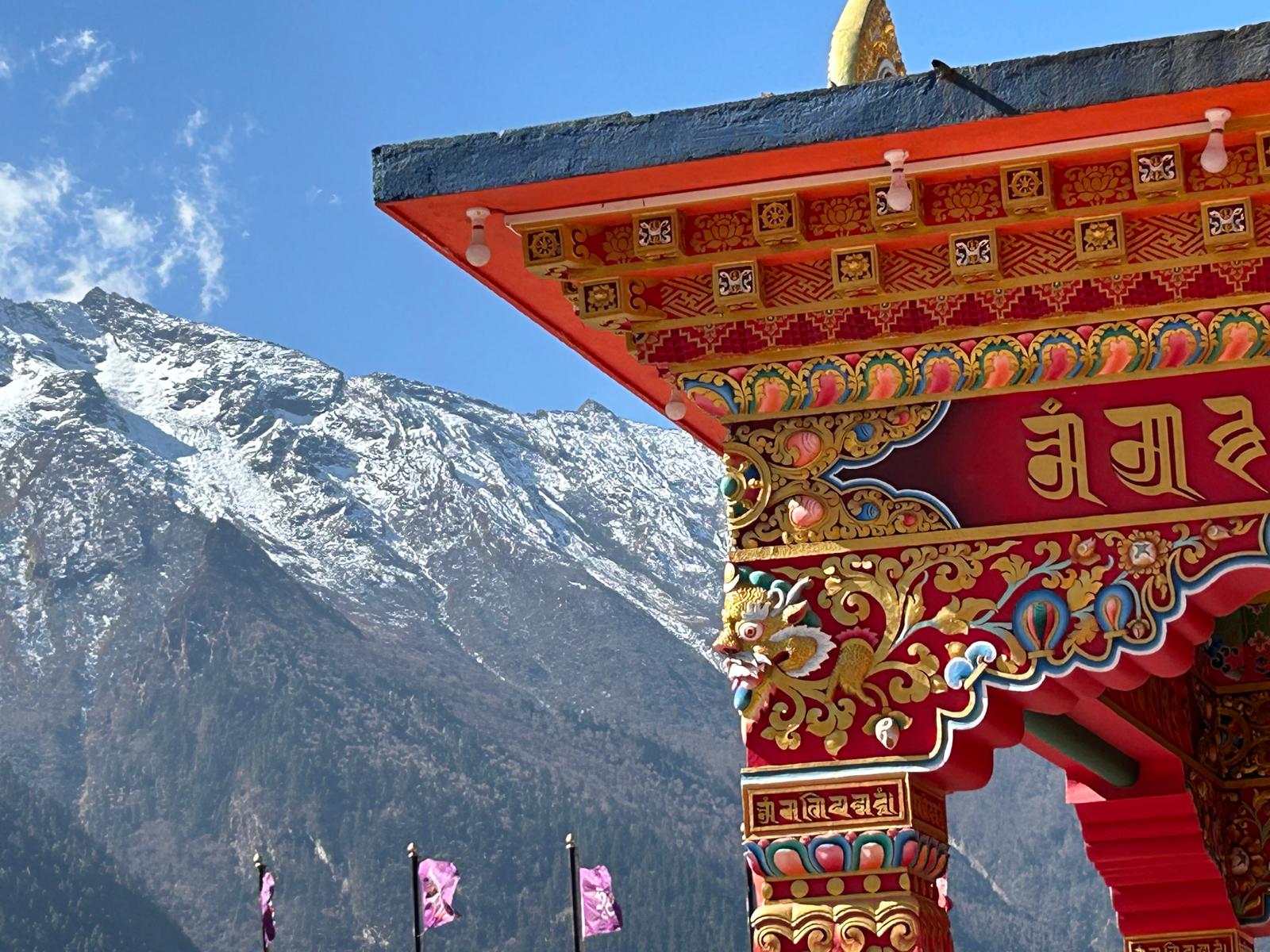
- Walk through a living Buddhist sanctuary dotted with centuries-old monasteries like Mu Gompa and Rachen Gompa, where monks and nuns continue ancient practices. The valley’s sacred energy is believed to have been blessed by the great master Milarepa.
- Experience dramatic scenery—from deep river gorges and cascading waterfalls to high alpine terrain and remote villages. Enjoy breathtaking views of Ganesh Himal, Sringi Himal, and Baudha Himal rising above the valley.
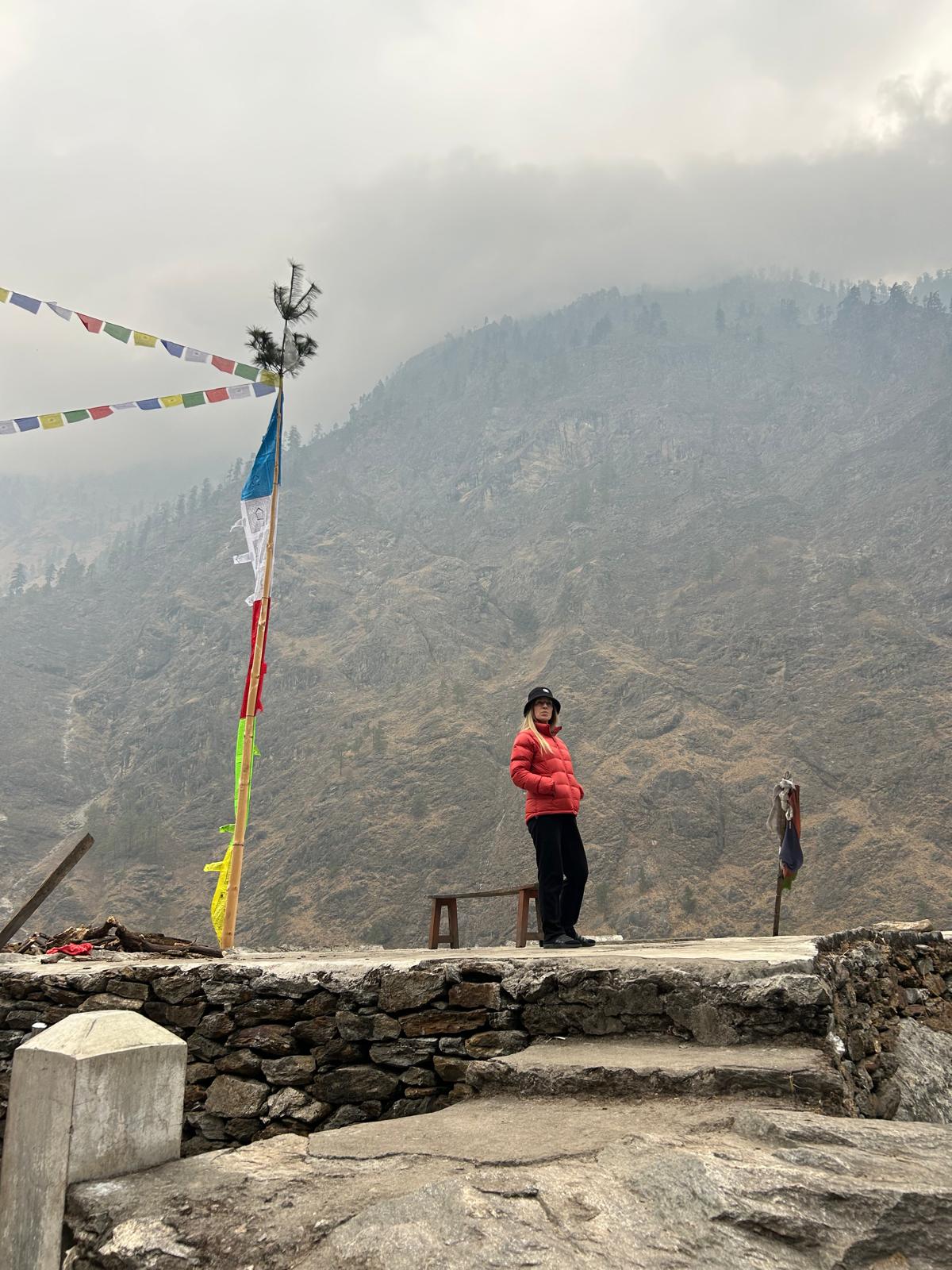
- Immerse yourself in the preserved traditions of the Tsumba people. Stone houses, mani walls, prayer flags, and polyandry traditions offer a rare glimpse into an ancient Himalayan way of life untouched by modern influence.
- Unlike Everest or Annapurna, Tsum Valley remains quiet and pristine. Trek through serene trails where nature, culture, and solitude create a deeply personal Himalayan experience.
- Reach the spiritual high point of the trek at Mu Gompa (3,700m), located near the Tibetan border. The panoramic Himalayan views and peaceful surroundings make it an unforgettable highlight.
- Follow the Budhi Gandaki River, crossing dramatic suspension bridges and walking through lush forests, terraced fields, and narrow canyons carved by glacial waters.
- Perfect for travelers seeking authenticity, this trek offers a raw, less-commercialized Himalayan journey with meaningful cultural connections and genuine hospitality.
](https://igloohimalayatreks.com/wp-content/uploads/2025/02/FB_IMG_174840316246611-scaled-1-990x490.jpg)