Why Everest Base Camp Is Popular ?
Why Everest Base Camp Is Popular is a question many first-time trekkers ask before planning a trip to Nepal. Everest Base Camp is not only famous because it takes you close to Mount Everest. The journey combines incredible Himalayan scenery, traditional Sherpa villages, Buddhist culture, challenging mountain trails, and the feeling of standing in one of the world’s most famous trekking destinations.
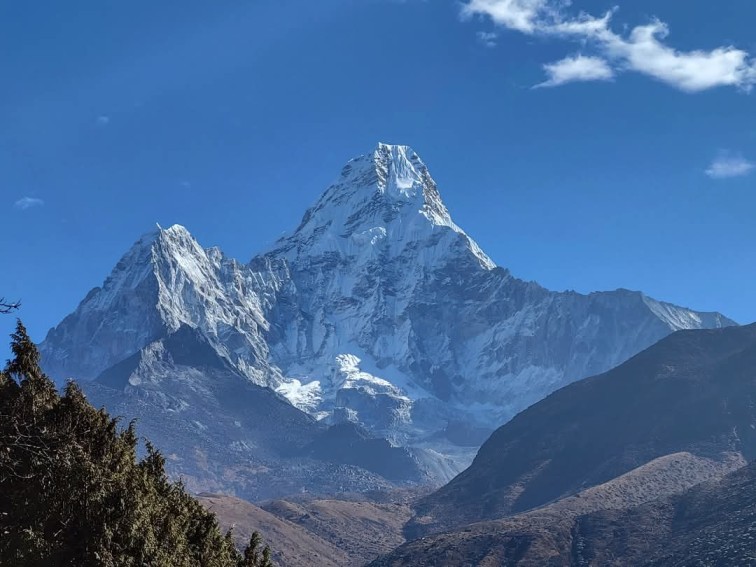
For many travelers, reaching Everest Base Camp is a personal achievement. The trek takes you through the beautiful Khumbu region, where every day brings something different—from busy Namche Bazaar and quiet mountain villages to spectacular views of Everest, Ama Dablam, Lhotse, and other Himalayan peaks.
Everest Base Camp Trek is popular ? one of the most famous trekking adventures in the world. Every year thousands of trekkers travel to Nepal to experience the beauty of the Himalayas and stand at the foot of the tallest mountain on Earth, Mount Everest.
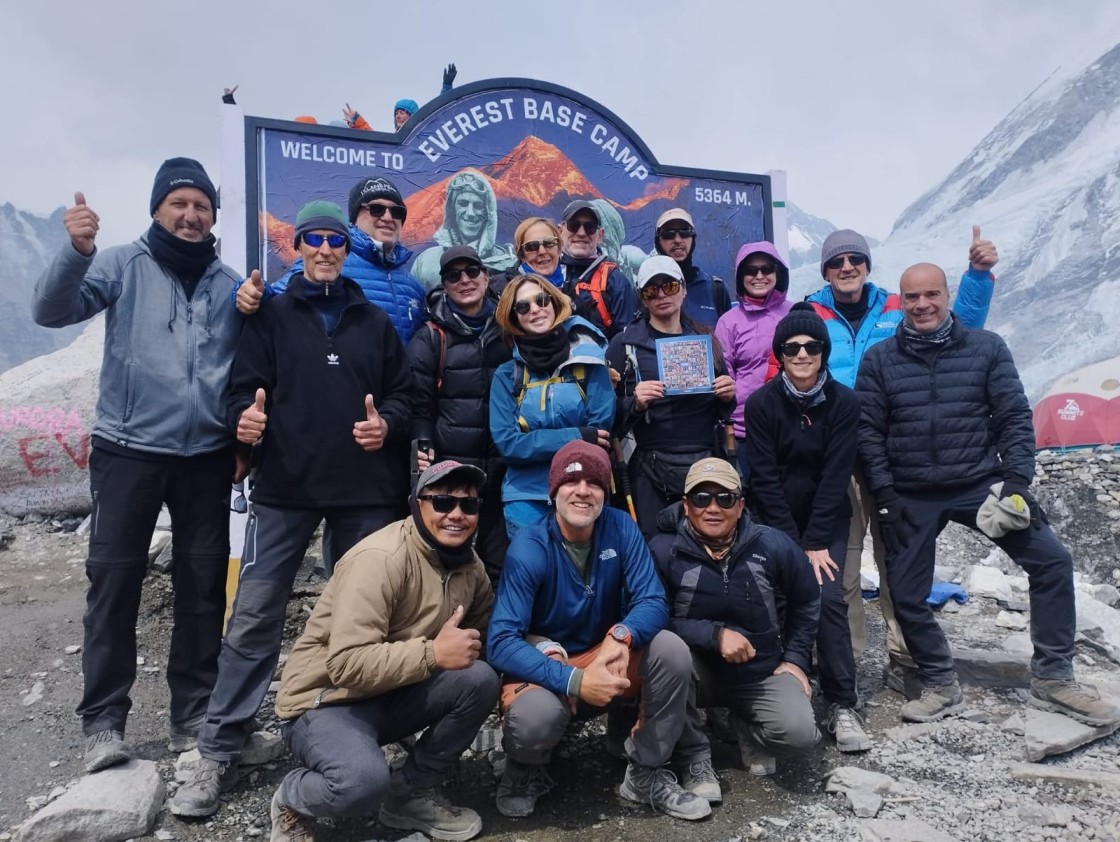
Located at an altitude of 5,364 meters (17,598 feet), Everest Base Camp attracts adventurers, nature lovers, photographers, and mountaineering enthusiasts from all over the world.
But what exactly makes Everest Base Camp so popular?
This guide explains the key reasons why Everest Base Camp has become one of the most iconic trekking destinations on the planet.
1. It Lies at the Foot of the World’s Highest Mountain
The main reason for the popularity of Everest Base Camp is its connection to Mount Everest, the tallest mountain in the world.
Mount Everest stands at 8,848.86 meters (29,031 feet) and is considered the ultimate challenge for climbers.
While climbing the summit requires technical mountaineering skills, trekking to Everest Base Camp allows ordinary travelers to experience the environment of Everest expeditions without needing climbing expertise.
Standing at the base of the world’s highest mountain is a dream for many adventure seekers.
2. One of the Most Famous Trekking Routes in the World
The Everest Base Camp trek is widely known as one of the greatest trekking routes on Earth.
The trek begins with a flight from Kathmandu to Lukla, which is famous for its dramatic mountain airport.
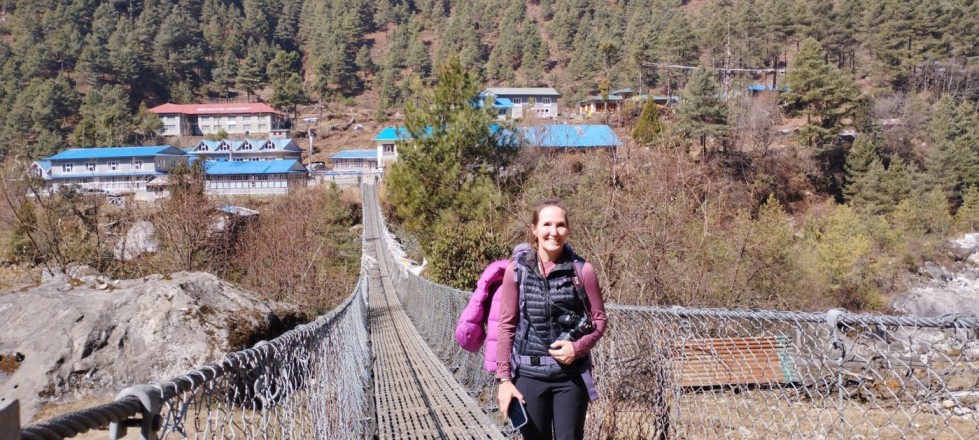
From Lukla, trekkers follow a scenic trail through the Khumbu region, passing through traditional villages, suspension bridges, and deep river valleys.
The journey typically takes 12–14 days, making it an achievable but rewarding trekking adventure.
3. Stunning Himalayan Mountain Views
Another major reason Everest Base Camp is so popular is the incredible scenery.
The Everest region offers breathtaking views of some of the world’s most beautiful mountains, including:
Lhotse
Nuptse
Ama Dablam
Pumori
Trekkers walk through glaciers, alpine forests, rocky landscapes, and high mountain valleys.
Every day of the trek offers new and spectacular Himalayan views.
4. Unique Sherpa Culture and Traditions
The Everest region is home to the famous Sherpa people, known worldwide for their mountaineering skills and warm hospitality.
Trekkers pass through traditional villages such as:
Namche Bazaar
Tengboche
Dingboche
Lobuche
Visitors can experience local traditions, Buddhist culture, and mountain lifestyles that have existed for centuries.
One of the most famous landmarks on the trek is Tengboche Monastery, the spiritual center of the Everest region.
5. The Adventure of High-Altitude Trekking
The Everest Base Camp trek is also popular because it offers a true high-altitude adventure.
Trekkers climb gradually to altitudes above 5,000 meters, experiencing the challenge of trekking in thin mountain air.
Although the trek does not require technical climbing skills, it still provides a sense of adventure and achievement.
Reaching Everest Base Camp gives trekkers a powerful feeling of accomplishment.
6. The Famous Kala Patthar Viewpoint
One of the highlights of the trek is the hike to Kala Patthar, located at 5,545 meters.
Kala Patthar is considered the best viewpoint for Mount Everest.
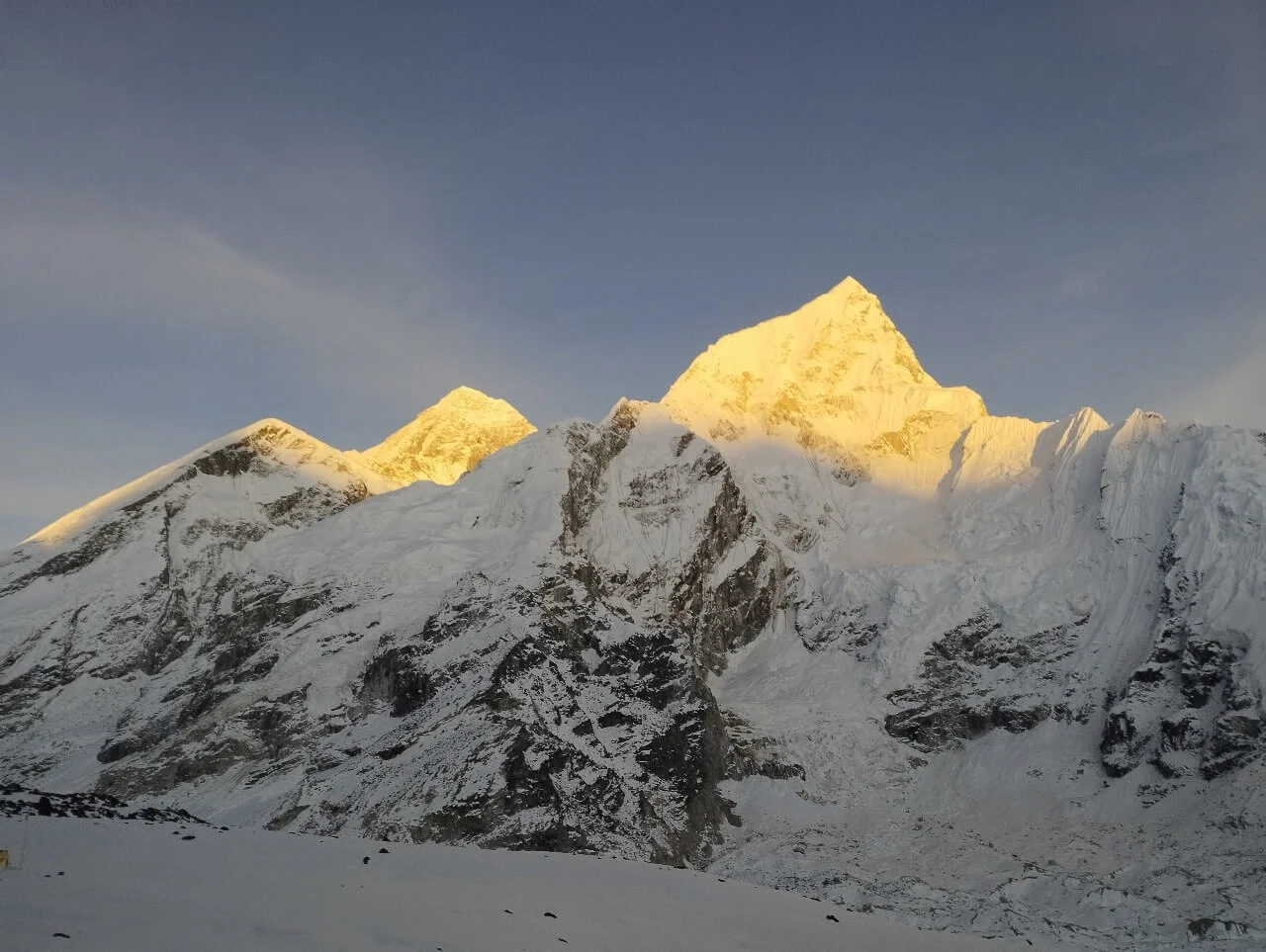
From here trekkers can enjoy breathtaking panoramic views of Mount Everest, especially during sunrise when the mountain glows in golden light.
This viewpoint is often the most memorable moment of the entire trek.
7. Located Inside Sagarmatha National Park
The Everest Base Camp trek passes through Sagarmatha National Park, a UNESCO World Heritage Site.
The park is famous for its:
Glaciers
Deep valleys
Alpine forests
Rare wildlife
Trekkers may encounter animals such as:
Himalayan Tahr
Musk Deer
Snow Leopard (rare)
The combination of natural beauty and biodiversity makes the trek even more special.
8. Historic Mountaineering Legacy
The Everest region has a legendary place in mountaineering history.
The first successful ascent of Mount Everest was achieved in 1953 by Sir Edmund Hillary and Tenzing Norgay.
Since then, Everest has become a symbol of human determination and adventure.
Trekkers visiting Base Camp feel connected to this remarkable history.
9. A Global Bucket-List Adventure
For many travelers, trekking to Everest Base Camp is a bucket-list experience.
People from all over the world come to Nepal to experience:
Himalayan landscapes
Sherpa culture
High-altitude trekking
The legendary Everest region
Completing the trek is often described as a life-changing adventure.
10. Accessible Adventure Compared to Climbing Everest
Climbing Mount Everest is extremely difficult and expensive, requiring professional training and equipment.
However, trekking to Everest Base Camp is achievable for many travelers with good fitness and proper preparation.
This accessibility makes the trek one of the most popular adventure tourism experiences in the world.
How Difficult Is the Everest Base Camp Trek?
The Everest Base Camp trek is moderately challenging, making it accessible to most fit travelers. While you don’t need technical climbing skills, you do need good physical fitness and endurance for long days of walking. Trekkers often encounter steep trails, rocky paths, and high altitudes, so proper preparation is key. Regular cardio training, hiking practice, and strength exercises can make your trek much more enjoyable.
How Long Does the Trek Take?
A standard Everest Base Camp itinerary usually spans 12 to 14 days, including essential acclimatization stops. Some trekkers opt for longer itineraries of up to 16–18 days to move at a slower pace and fully enjoy the landscapes. Each day involves trekking between villages, with breathtaking views of snow-capped peaks, glacial valleys, and the famous Khumbu Icefall from afar.
The Altitude You’ll Experience
Everest Base Camp sits at 5,364 meters (17,598 feet) above sea level. At these heights, the air is thin, making acclimatization critical to prevent altitude sickness. Most itineraries include rest days at key villages like Namche Bazaar or Dingboche to help your body adjust gradually. Trekking poles, proper hydration, and pacing yourself are essential strategies for a safe trek.
When Is the Best Time to Trek?
The ideal trekking seasons are:
Spring (March–May): Clear skies, blooming rhododendrons, and moderate temperatures.
Autumn (September–November): Stable weather, spectacular mountain views, and festive local culture.
Winter treks are harsh and snowy, while summer monsoon treks face heavy rains and slippery trails, so these periods are generally avoided.


