One Dream, One Trail: 30 Practical Tips to Make Your Everest Base Camp Trek Safer, Smarter, and more enjoyable.

The Everest Base Camp Trek is not just a journey to the foot of the world’s highest mountain, it is a life-changing Himalayan experience. Proper preparation, the right mindset, and expert guidance can make the difference between a difficult trek and an unforgettable adventure.
At Igloo Himalaya Treks, with decades of guiding experience in the Everest region, we share 30 essential tips to help you enjoy a safe, comfortable, and rewarding Everest Base Camp trek.
Everest Base Camp Trekking Tips
1: Choose the Right Trekking Season
Choosing the right season is one of the most important factors for a successful and enjoyable Everest Base Camp trek. Nepal experiences four distinct seasons, and each offers a different trekking experience in the Everest region.
Spring (March–May) is one of the best seasons for trekking to Everest Base Camp. During spring, the weather is generally stable, temperatures are moderate, and the trails come alive with blooming rhododendrons and alpine flowers at lower elevations. Days are warm and bright, while nights are cool but manageable. Mountain views are usually clear in the mornings, and this season is also popular with climbers attempting Mount Everest, adding an exciting atmosphere to the trail.
Autumn (September–November) is considered the peak trekking season in Nepal. After the monsoon rains clear the dust and pollution, the skies become exceptionally clear, offering breathtaking views of Everest, Lhotse, Nuptse, and Ama Dablam. Weather conditions are dry and stable, making flights to Lukla more reliable. Daytime temperatures are comfortable for walking, and the trails are well-maintained. This season is ideal for trekkers who want the best visibility and overall trekking conditions.
Winter (December–February) is the coldest season in the Everest region. While trekking is still possible, temperatures can drop well below freezing, especially at night and at higher elevations like Gorak Shep and Kala Patthar. Snowfall may block high passes and make trails icy. However, winter trekking has its advantages: fewer crowds, very clear skies, and peaceful trails. With proper gear, good physical preparation, and flexibility in itinerary, winter can be a rewarding option for experienced trekkers.
Summer / Monsoon (June–August) brings heavy rainfall to most parts of Nepal, including the lower sections of the Everest trail. Flights to Lukla are more likely to be delayed or canceled due to clouds and rain. Trails can be muddy and slippery, and leeches may appear at lower elevations. However, the Everest region lies in a partial rain shadow, so rainfall is lighter compared to other trekking areas. This season offers lush green landscapes, fewer trekkers, and a quieter experience. It is suitable for trekkers who don’t mind occasional rain and prefer less crowded trails.
In summary,
spring and autumn are the best seasons for Everest Base Camp trekking due to stable weather and excellent visibility. Winter and summer are less popular but still possible with proper planning, the right equipment, and an experienced trekking company.
2. Book Your Trip Early
Booking your Everest Base Camp trek early is one of the most important steps for a smooth and successful journey. During peak trekking seasons—especially spring (March–May) and autumn (September–November)—flights to Lukla fill up very quickly due to limited seats and unpredictable mountain weather. Early booking helps secure your flights in advance and reduces the risk of delays or last-minute cancellations.
Mountain lodges along the Everest trail also have limited rooms, particularly in popular villages like Tengbuche, Labuche and Gorak Shep. By confirming your trip early, you can enjoy better accommodation options with more comfort, warmth, and reliable services after long trekking days.
Experienced, licensed guides and porters are in high demand during busy seasons. Early reservations allow you to trek with professional staff who know the trails, altitude challenges, and local culture well, ensuring both safety and a richer trekking experience.
Additionally, booking in advance gives you enough time to prepare physically and mentally, arrange travel insurance, organize trekking gear, and complete necessary permits without stress. Overall, early booking brings better planning, smoother logistics, and complete peace of mind, allowing you to focus fully on enjoying the adventure of a lifetime in the Himalayas.
3. Train Before You Arrive
You don’t need to be an athlete, but basic physical preparation is important. Regular walking, stair climbing, hiking, and light cardio training will help you enjoy the trek without excessive fatigue.
4.Pack Light but Smart
Packing wisely plays a crucial role in making your trek comfortable and enjoyable. Carrying unnecessary or heavy items can quickly drain your energy, slow your pace, and increase the risk of fatigue or injury, especially on long uphill sections. Instead of overpacking, focus on essential gear that truly supports your journey.
Choose layered clothing so you can easily adjust to changing mountain temperatures throughout the day. High-quality trekking boots with good ankle support, moisture-wicking socks, and weather-appropriate outerwear are far more important than extra outfits. Personal essentials such as toiletries, medications, sunscreen, a water bottle, and basic first-aid items should also be carefully selected in small, lightweight quantities.
A lighter backpack not only helps you walk more comfortably but also improves balance and reduces strain on your knees and back. Additionally, packing light shows respect for your porter’s health and safety, as they already carry heavy loads on steep and challenging trails. Smart packing ensures smoother trekking days, better endurance, and a more enjoyable Himalayan experience overall.
5. Choose a Reliable Trekking Company
An experienced trekking company like Igloo Himalaya Treks ensures proper planning, safety standards, trained guides, and local knowledge—essential elements for a successful Everest Base Camp trek.
6.Walk Slowly and Maintain a Steady Pace
Trekking to Everest Base Camp is not a race; it is a journey that demands patience and awareness of your body. At high altitude, oxygen levels decrease significantly, and moving too fast can put unnecessary strain on your lungs, heart, and muscles. Walking slowly allows your body to adapt gradually to the thinner air, helping to reduce the risk of altitude sickness and extreme fatigue.
A steady pace also helps you conserve energy for long trekking days and steep uphill sections. Instead of frequent stops caused by exhaustion, consistent movement with controlled breathing keeps your rhythm balanced and your mind focused. Many experienced guides follow the principle of “bistari, bistari” (slowly, slowly), which has proven to be the safest and most effective way to trek in the Himalayas.
By walking at a comfortable, sustainable speed, you will enjoy the scenery more, stay healthier, and reach your destination feeling stronger. Remember, the goal is not how fast you walk, but how well you acclimatize slow and steady truly wins the Everest trail.
7. Follow Proper Acclimatization Days
Acclimatization days are one of the most important factors for a safe and successful Everest Base Camp trek. Rest stops in places like Namche Bazaar (3,440 m) and Dingboche (4,410 m) allow your body to gradually adjust to lower oxygen levels. These days are not complete rest days; instead, they include short acclimatization hikes to higher viewpoints such as Everest View Hotel or Nangkartshang Peak. By hiking high during the day and sleeping lower at night, your body produces more red blood cells, improving oxygen absorption. Skipping acclimatization days increases the risk of altitude sickness and can force you to turn back early, so patience is key for reaching your goal safely.
8.Drink Plenty of Water
Staying well-hydrated is essential at high altitude, as dehydration can worsen symptoms of altitude sickness. You should aim to drink 3–4 liters of water per day, even if you don’t feel thirsty. At higher elevations, cold temperatures and dry air cause your body to lose fluids faster. Warm water, ginger tea, garlic soup, or herbal teas are especially beneficial, as they help maintain body temperature and digestion. Avoid cold drinks and limit caffeinated beverages, as they can increase dehydration. Proper hydration keeps your energy levels high and supports overall health throughout the trek.
9. Avoid Alcohol and Smoking
Alcohol and smoking significantly affect your body’s ability to adapt to high altitude. Alcohol causes dehydration, disrupts sleep, and reduces oxygen absorption, while smoking decreases lung efficiency and oxygen circulation. Consuming alcohol, especially above Namche Bazaar, can greatly increase the risk of Acute Mountain Sickness (AMS). Even if you feel fine at lower elevations, symptoms may worsen rapidly at higher camps. For a safe and enjoyable trekking experience, it is best to completely avoid alcohol and smoking during the trek and focus on rest, nutrition, and hydration.
10. Listen to Your Body
Your body constantly sends signals, especially at high altitude. Symptoms such as headache, dizziness, nausea, loss of appetite, or extreme fatigue should never be ignored. These signs may indicate altitude sickness, and early action is crucial. Inform your guide immediately if you feel unwell—experienced guides are trained to recognize symptoms and take the necessary steps, such as slowing the pace, adding rest days, or descending if required. Being honest about how you feel is not a weakness; it is a smart decision that can prevent serious health risks and ensure a safe trek for everyone.
11. Dress in Layers
Weather in the Himalayas can change suddenly within a single day. Early mornings and evenings are often freezing, while afternoons can be surprisingly warm. Dressing in layers allows you to easily adjust your clothing according to temperature and activity level. A proper layering system includes a moisture-wicking base layer, an insulating middle layer, and a windproof or waterproof outer layer. This helps regulate body temperature, keeps you dry, and prevents hypothermia at higher elevations.
12. Wear Quality Trekking Boots
A good pair of trekking boots is one of the most important investments for your journey. High-quality, well-broken-in boots provide ankle support, protect your feet on rocky trails, and reduce the risk of blisters and injuries. Avoid wearing brand-new boots on the trek—use them on practice hikes beforehand. Comfortable feet mean better balance, less fatigue, and a more enjoyable trekking experience.
13. Carry a Good Sleeping Bag
While teahouses provide basic blankets, they may not be enough during cold nights, especially above 4,000 meters. Temperatures can drop well below freezing. A four-season sleeping bag rated for cold conditions ensures warmth, comfort, and quality sleep. Good rest is essential for acclimatization and maintaining energy throughout the trek.
14.Protect Yourself from the Sun
Sun exposure is much stronger at high altitude due to thinner air and reflection from snow. Even on cloudy days, UV rays can cause sunburn, eye strain, and dehydration. Wearing UV-protected sunglasses, applying high-SPF sunscreen, using lip balm with SPF, and covering your head with a hat are essential. Proper sun protection keeps you comfortable and prevents long-term skin and eye damage.
15. Bring Essential Medicines
Medical facilities are very limited in the mountains, so carrying essential medicines is crucial. Bring your personal prescriptions, basic first-aid supplies, pain relievers, blister treatment, and any altitude-related medication (such as Diamox, if prescribed by your doctor). Being prepared for minor health issues helps you stay confident and safe throughout the trek.
16. Enjoy Local Food
Local meals like Dal Bhat, soups, noodles, potatoes, and rice dishes are fresh, filling, and well-suited for trekking. Dal Bhat, in particular, provides a balanced mix of carbohydrates, protein, and energy and often comes with unlimited refills. Eating local food reduces the risk of stomach problems and supports local teahouse owners, contributing positively to the mountain economy.
17. Respect Local Culture
The Everest region is deeply rooted in Sherpa traditions and Buddhist beliefs. Respecting local culture enhances your trekking experience and builds meaningful connections with local people. Walk clockwise around mani walls and stupas, remove shoes before entering monasteries, ask permission before taking photos, and dress modestly in villages. Cultural respect reflects good trekking ethics.
18. Stay Mentally Positive
Trekking at high altitude is both a physical and mental challenge. Weather, altitude, and long walking days can test your patience and motivation. Maintaining a positive mindset helps you overcome difficulties and enjoy the journey. Take breaks, appreciate the stunning landscapes, celebrate small achievements, and remember that every step brings you closer to your goal. A strong mental attitude often makes the trek more rewarding than the destination itself.
19. Take Smart Breaks
Taking regular, short breaks during your trek is essential for maintaining energy and staying healthy at high altitude. Brief stops allow your body to recover, regulate breathing, and prevent fatigue without letting your muscles cool down too much. Avoid long breaks in cold, windy, or shaded areas, as your body temperature can drop quickly. Use stops wisely drink water, eat light snacks, adjust layers, and enjoy the views then continue walking at a steady pace. Smart breaks help you stay warm, comfortable, and consistent throughout the trekking day.
20. Enjoy the Journey, Not Just the Destination
Reaching Everest Base Camp is a proud achievement, but the true magic of the trek lies in the journey itself. From charming Sherpa villages and ancient monasteries to colorful prayer flags and breathtaking Himalayan landscapes, every day offers unforgettable experiences. Interacting with local people, tasting traditional food, and witnessing daily mountain life add deep meaning to the trek. By slowing down and appreciating each moment, you create lasting memories that go far beyond simply standing at Base Camp. The journey itself is what makes the Everest trek truly special.
21. Trek with a Licensed Guide
Trekking with a licensed guide is one of the most important decisions you can make for a safe and enjoyable journey. Licensed guides are trained professionals who are familiar with the trails, weather patterns, and emergency procedures of the region. They help you navigate difficult terrains, avoid risky shortcuts, and ensure that your trek stays on schedule without unnecessary stress.
Beyond safety, guides enrich your experience by sharing local knowledge about Nepal’s unique culture, traditions, and history. They can explain the significance of monasteries, villages, festivals, and mountain legends that you would otherwise miss. In emergencies, a licensed guide knows how to communicate effectively with rescue teams, porters, and medical services, making them invaluable in high-altitude or remote areas.
Additionally, hiring a licensed guide supports responsible tourism. It ensures that local professionals are fairly compensated and that trekking regulations are followed, which helps protect the environment and local communities. Overall, a licensed guide is not just a companion—they are your safety net, storyteller, and cultural ambassador on the trail.
22. Trust Your Trekking Team
Your trekking guides and porters are highly experienced professionals who have spent years navigating the trails, weather conditions, and altitude challenges of the Himalayas. They know the safest routes, when to rest, how to handle sudden weather changes, and how to prevent altitude sickness. Trusting their advice, pace, and decisions is not just about convenience—it is essential for your safety and the success of your trek. Following their instructions, listening to their recommendations, and respecting their experience can make your journey smoother, more enjoyable, and less stressful. Remember, trekking in high-altitude regions is unpredictable, and having faith in your team ensures you can focus on the stunning landscapes and the incredible experience rather than worrying about logistics or risks.
23. Have Proper Travel Insurance
Before embarking on an Everest Base Camp trek, securing comprehensive travel insurance is crucial. Standard travel policies often do not cover high-altitude trekking or emergency rescues, which are essential in the Himalayas. Your insurance should specifically include coverage for medical emergencies, hospitalization, high-altitude illnesses, and helicopter evacuation in case of serious altitude sickness or injury. Accidents in remote areas can be costly, and evacuation may be the only way to get timely medical care. Having reliable insurance not only protects your health and finances but also gives you peace of mind, allowing you to focus fully on the adventure and breathtaking scenery without worrying about unforeseen emergencies.
24. Follow Leave No Trace Principles
Trekking in the Himalayas is a privilege, and with that privilege comes responsibility. Following Leave No Trace principles is essential to protect these pristine landscapes. Always carry out everything you bring in—this includes wrappers, food packaging, and any other trash. Avoid using single-use plastics such as bottles, bags, and straws, which take decades to decompose in high-altitude environments. Respect local flora and fauna; do not pick plants or disturb wildlife. Stick to marked trails to prevent soil erosion and preserve fragile ecosystems. By trekking responsibly, you’re ensuring that future generations can enjoy the same breathtaking mountains, forests, and valleys that you do today. Sustainable trekking isn’t just a guideline—it’s a way of showing gratitude to the Himalayas.
25. Use Reusable Water Bottles
Plastic pollution is a growing problem in trekking regions, especially in popular destinations like Everest Base Camp. Using reusable water bottles helps reduce the enormous amount of plastic waste left behind by trekkers. Invest in a sturdy, lightweight bottle that you can refill throughout your journey. Combine this with water purification methods, such as tablets, UV sterilizers, or portable filters, to ensure safe drinking water. Not only is this better for the environment, but it also saves money and reduces reliance on bottled water, which is often expensive and heavy to carry. Many lodges and teahouses along trekking routes now provide clean water refill stations, making it easier than ever to stay hydrated while staying eco-friendly.
26. Wake Up Early for Mountain Views
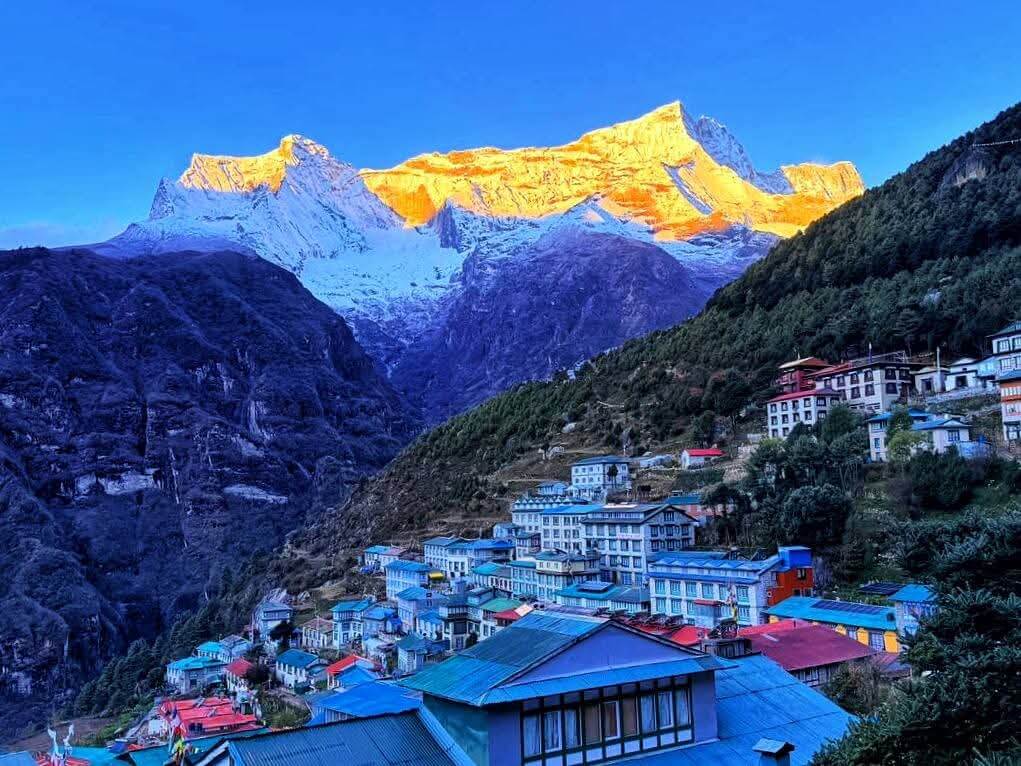
One of the best secrets of Himalayan trekking is that early mornings reveal the mountains at their most majestic. The air is clear, the skies are crisp, and the sunrise casts a golden glow over peaks like Everest, Lhotse, Ama Dablam, and Nuptse. Waking up early not only allows you to witness this breathtaking spectacle, but it also provides the perfect opportunity for photography, meditation, or simply soaking in the serenity of the mountains before the day-trippers arrive. The quiet hours of the morning are magical.the sounds of nature are more pronounced, and the clouds often sit lower, revealing dramatic peaks in the distance. Trekking early also helps you avoid the midday heat and crowded trails, making your experience more peaceful and rewarding.
27. Interact with Local People
One of the most enriching aspects of trekking in the Everest region is the opportunity to meet the Sherpa community. These resilient, warm-hearted people have lived for generations in the shadow of the highest peaks on Earth. Taking time to talk with them allows trekkers to understand their traditions, daily life, and spiritual beliefs. Listening to their stories whether about mountain expeditions, festivals, or family life, adds a unique cultural layer to your adventure. Sharing meals, visiting local monasteries, or learning a few Nepali or Sherpa words can create meaningful connections that you will remember long after the trek. These interactions not only enrich your journey but also promote responsible and respectful tourism, supporting local communities directly.
28. Enjoy Acclimatization Hikes
Acclimatization days are built into Everest Base Camp itineraries to help your body adjust to higher altitudes safely. Instead of simply resting, take advantage of these days to embark on short side hikes to nearby viewpoints, ridges, or villages. These hikes improve circulation, strengthen your muscles, and prepare your lungs for thinner air, all while offering breathtaking panoramas of Everest, Lhotse, Ama Dablam, and other Himalayan giants. Beyond the physical benefits, these walks allow you to explore less-visited areas, spot wildlife, and enjoy quiet moments surrounded by snow-capped peaks. Acclimatization hikes are a perfect combination of fitness, adventure, and scenic reward—making them some of the most memorable parts of the trek.

29. Celebrate Small Achievements
Everest Base Camp trekking is a journey of many small victories. Each day brings new challenges, whether it’s reaching a remote village, crossing a high suspension bridge, or climbing a steep trail. Celebrating these milestones keeps morale high and reminds you of your resilience. Take a moment to savor reaching viewpoints, passing through alpine meadows, or finishing a long day’s trek. Capture these moments with photos, journal entries, or simply a smile of satisfaction. Recognizing small successes not only boosts confidence but also makes the entire journey feel more rewarding, turning the trek into a series of personal triumphs rather than just a distant goal.
30. Trek with Respect and Gratitude
The Everest region is not just a landscape of towering mountains—it’s a sacred place with deep spiritual significance for the local communities. Trekking here is a privilege, and it’s important to approach it with humility and gratitude. Respect local customs, temples, and monasteries, and avoid leaving any litter behind. Engage with nature gently, follow marked trails, and honor the traditions of the people who call these mountains home. Beyond the spectacular photos you take, carry the intangible memories of kindness, awe, and serenity. Trekking with respect transforms your adventure into a meaningful experience, allowing you to connect more deeply with both the land and its people.


