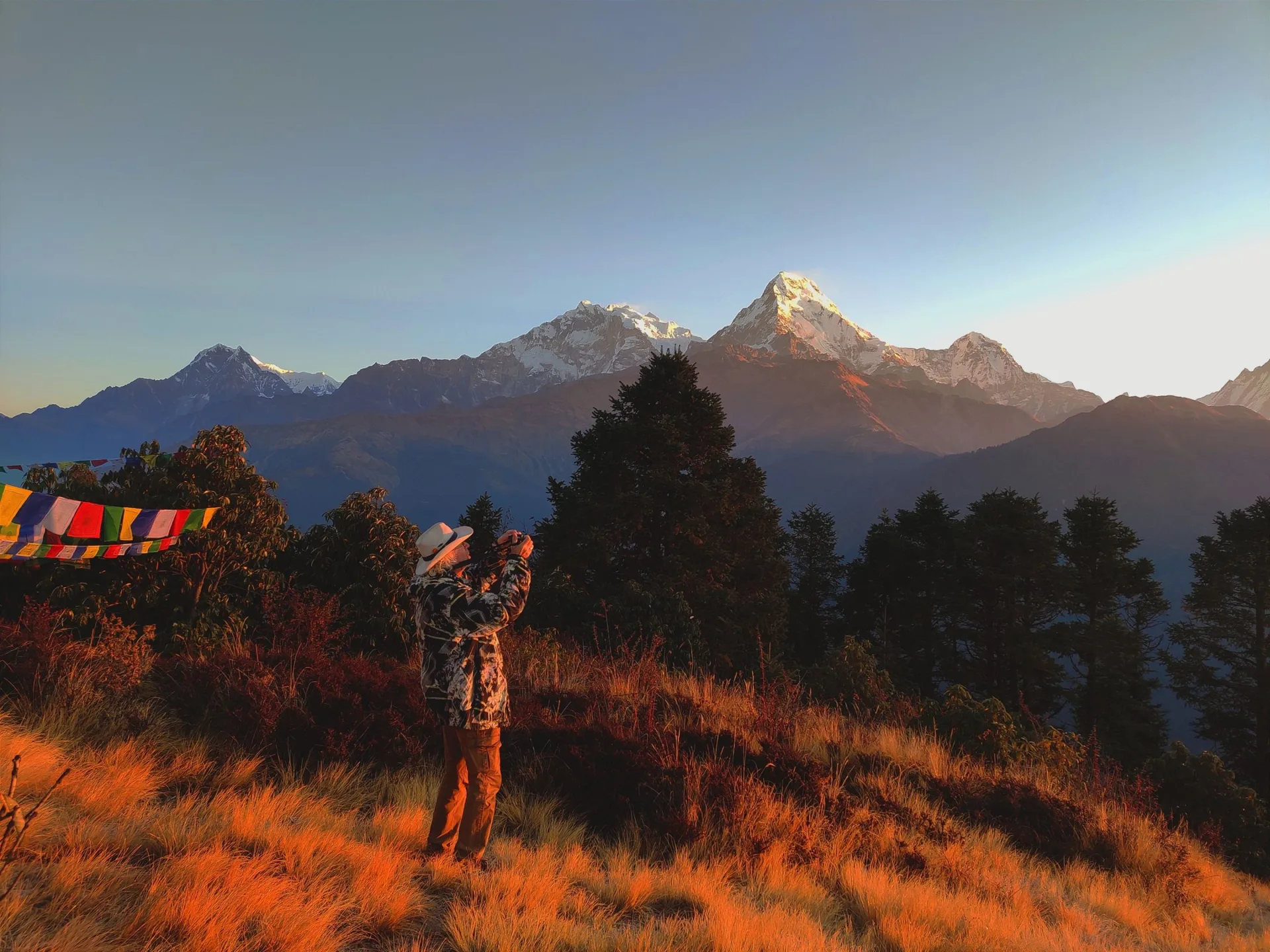
Traversing the historic Maurice Herzog trail into the north sanctuary was the most raw, pristine trekking experience I have had in Nepal. Camping beside Panchakunda Lake at 4,190m with the immense ice walls of Annapurna I towering overhead was awe-inspiring. Igloo’s camping crew provided warm dining tents, hot meals, and total professionalism.
Annapurna Region • Northern Annapurna
5.0
reviews on TripAdvisor
5.0
169 reviews on Google
North Annapurna Base Camp Trek — 9 Days
Explore Annapurna’s northern side on a nine-day camping trek from Humkhola to North Annapurna Base Camp. Walk via Sidikharka, Buket Mela and the Panchakunda lake area, named Panch Pokhari in this itinerary, before reaching the base camp viewpoint at approximately 4,190 metres.

Travelers' Choice
Best of the Best 2026


Key Trip Facts
Duration
9 Days
9 days, including arrival,
five mountain walking days, road travel and departure
Difficulty
Challenging
Challenging; steep paths,
rapid altitude gain, camping and limited facilities
Maximum
Altitude
~4,190 m / 13,747
ft
North Annapurna Base Camp,
approximately 4,190 m / 13,747 ft; exact turnaround depends on conditions
Destination
Nepal
Annapurna region, Myagdi
District, Nepal
Activity
Trekking
Mountain walking,
wilderness camping, rocky ground, high lake excursion
Accommodation
Hotel + Camping
2 Kathmandu nights, 1 Beni
night, 4 mountain camping nights and 1 Pokhara night; room and tent arrangements as quoted
Transport
Road Travel &
Jeep
Kathmandu-Beni drive, jeep
access to Humkhola, return road journey to Pokhara and tourist bus to Kathmandu
Meals
Camp Meals
Camp meals with seasonal
fresh fruit after dinner; city and road-day meal coverage confirmed in the quotation
Recommended
Season
Spring &
Autumn
Spring (March-May) and
autumn (September-November), subject to road access, snow and trail conditions
Trek
Starts
Humkhola
Jeep from Beni to Humkhola
trailhead (~2,890 m), Day 3
Trek
Ends
Humkhola
Return trail to Humkhola
trailhead (~2,890 m), Day 7
Trek
Region
Annapurna
Northern Annapurna,
Myagdi, Annapurna Conservation Area (ACAP)
Package
Start Point
Kathmandu
Tribhuvan International
Airport arrival, Day 1
Package
End Point
Kathmandu
Tribhuvan International
Airport departure, Day 9
North ABC Camping Trek Overview
Our nine-day North Annapurna Base Camp Trek follows a quieter approach on Annapurna's northern side. Travel to Beni, continue by jeep to Humkhola and walk via Sidikharka, Buket Mela and Panch Pokhari. Visit the planned base camp viewpoint before returning to Sidikharka. The journey finishes with road travel to Pokhara, then Kathmandu, followed by departure.
This northern route follows the approach associated with Maurice Herzog's 1950 Annapurna journey. It lies in Myagdi, away from the established southern sanctuary trail. Forest paths above Humkhola lead towards higher grazing areas, rocky ground and the Panchakunda lake area. Mountain facilities are limited, so the walking section uses camping arrangements. Prepare for steep climbs, uneven paths, stream crossings and weather that can change the day's walking plan.
Panch Pokhari refers here to the Panchakunda lake area near North Annapurna Base Camp. You camp in this high area before the base camp hike, reaching approximately 4,190 metres during the day. Annapurna I rises above the northern valley, with snow, ice and rocky slopes shaping the surrounding landscape. Mountain visibility depends on the weather.
The return follows the same mountain corridor, passing Panch Pokhari and Buket Mela before the night at Sidikharka. Next, descend to Humkhola and drive to Pokhara, allowing for rough road conditions and a long combined travel day. The following day's tourist bus returns to Kathmandu. No domestic flights are included in this nine-day itinerary, which finishes with departure from Nepal.
The trek suits travellers prepared for camping, limited communication and sustained walking at altitude. Discuss your experience, equipment and the rapid ascent from Beni before confirming your booking.
North ABC Camping Trek Highlights
Why Book the North ABC Camping Trek with Igloo Himalaya Treks?
We help you prepare for the northern route and its camping conditions. Your arrangements include guide, porter and permit support.
Trek Briefing and Gear Check
Before leaving Kathmandu, we explain the programme, check essential equipment and review the camping arrangements. Ask about the walking stages, altitude, luggage and the services covered by your quotation.
Guide and Porter Support
An English-speaking trekking guide accompanies the mountain route, with porter support for agreed luggage. Confirm crew numbers and loads before departure. You carry water, weather protection, medicines and daily essentials yourself.
Equipment Checks for Mountain Camping
Camping requires suitable tents, sleeping bags and insulated mats. We review the equipment before departure. Confirm what is supplied, any personal hire charges and return conditions for borrowed items in advance.
Communication When Plans Change
Rain, snow and road damage can affect access to Humkhola and the higher trail. We discuss any changes, available alternatives and costs outside the arrangements agreed for your booking before proceeding further.
Our nine-day itinerary follows the northern approach from Humkhola to North Annapurna Base Camp, returning along the same trail. Walking and driving times are estimates; weather, road access, trail conditions and pace affect arrangements.
Day 1: Arrival in Kathmandu
Arrival & Briefing — Kathmandu, approximately 1,400 m / 4,593 ft — Hotel Check-in
Welcome to Nepal. After arriving at Tribhuvan International Airport, follow the agreed transfer arrangements to your Kathmandu hotel. We discuss the northern Annapurna route, check equipment and review the camping preparations before you leave the city tomorrow.
Depending on arrival time, rest or collect any remaining personal items. Keep your passport, insurance information and permit documents ready, and confirm the departure arrangements for tomorrow's road journey west to Beni.
Day 2: Drive from Kathmandu to Beni
Scenic Hill Highway Drive — Beni, approximately 830 m / 2,723 ft — 9–11 hrs
We leave Kathmandu by road and travel west towards Beni, the Myagdi town used for access to northern Annapurna. River valleys, cultivated hillsides and towns accompany the journey.
This is a full travel day, with arrival depending on traffic and road conditions. After reaching Beni, rest and prepare your daypack. Confirm the jeep departure, current access to Humkhola and the arrangements for tomorrow's first mountain camping night.
Day 3: Jeep to Humkhola and Trek to Sidikharka
Jeep Trailhead & Valley Ascent — Sidikharka, approximately 3,160 m / 10,367 ft — 6–8 hrs combined
A jeep takes us from Beni towards Humkhola via the Tatopani and Narchyang area. Humkhola marks the start of the walking route, already high above Beni's much lower overnight elevation.
From Humkhola, follow the mountain trail towards Sidikharka, also written Sandhikharka. Forest paths, uphill sections and stream crossings require steady footing. The combined drive and walk brings a large sleeping-altitude gain, so report headaches, nausea or unusual fatigue immediately. Reach camp, check your sleeping equipment and keep the afternoon gentle while the team prepares dinner.
Day 4: Trek from Sidikharka to Buket Mela
Forest & Alpine Grazing Trail — Buket Mela, approximately 3,551 m / 11,650 ft — 3–4 hrs / ~6 km
We leave Sidikharka and continue towards Buket Mela, also written Bhusket Mela. The path gains height across grazing areas and rocky ground as the forest begins to thin.
Keep a steady pace and allow time for regular breaks rather than rushing to camp. Today's sleeping height rises by about 390 metres. Views towards the surrounding mountains depend on cloud and visibility. On arrival, settle into the tents, keep warm clothing accessible and discuss how you feel before tomorrow's climb towards the higher lake area.
Day 5: Trek from Buket Mela to Panch Pokhari
Alpine Ascent to Lake High Camp — Panch Pokhari, approximately 4,050 m / 13,287 ft — 4–5 hrs / 5–6 km
We climb from Buket Mela towards Panch Pokhari, the Panchakunda lake area. Higher rocky ground replaces the lower forest, with mountain views when cloud allows before we reach the planned camp.
The planned camp stands around 4,050 metres, approximately 500 metres above last night's stop. Walk steadily, drink treated water and keep the guide informed about any symptoms. Choose a gentle afternoon around camp rather than adding unnecessary climbs. Cold, wind and changing cloud can affect comfort beside the high lake.
Day 6: Hike to North Annapurna Base Camp, Return via Panch Pokhari to Sidikharka
Northern Base Camp Viewpoint — Base Camp, ~4,190 m / 13,747 ft → Sidikharka, ~3,160 m — 6–8 hrs
We start early for the hike from the lake area towards North Annapurna Base Camp. The turnaround is approximately 4,190 metres, beneath the northern side of Annapurna I. Snow, visibility and trail conditions determine how far the group can continue.
After time at the viewpoint, carefully retrace the route via Panch Pokhari and descend past Buket Mela towards Sidikharka. This is a long walking day, with loose stones and uneven ground requiring care. Carry sufficient water and confirm a packed lunch before leaving camp.
Day 7: Trek to Humkhola and Drive to Pokhara
Trailhead Descent & Lakeside Drive — Pokhara, approximately 822 m / 2,697 ft — 8–11 hrs combined
Leave Sidikharka and descend along the approach trail towards Humkhola. Take care on steep or wet sections, especially where paths cross streams. The final walking stage of the day ends at the agreed vehicle pickup point near Humkhola.
From Humkhola, drive via Narchyang, Tatopani and Beni to Pokhara. Walking and driving make this a long day, with timing dependent on current road conditions. Keep the evening flexible, check in at your hotel and rest after the mountain section.
Day 8: Tourist Bus from Pokhara to Kathmandu
Scenic Highway Return — Kathmandu, approximately 1,400 m / 4,593 ft — 7–9 hrs / ~200 km
After the pickup arrangements, board the tourist bus for Kathmandu. The road journey follows river valleys and hill towns, with stops along the way before reaching the capital.
Road works, traffic and weather can extend the journey, so keep the day flexible. Once in Kathmandu, transfer to your hotel according to the agreed arrangements. Check tomorrow's departure time and prepare your documents and luggage for the airport.
Day 9: Departure from Kathmandu
Final Transfer — Homeward Bound — Kathmandu Departure
Your nine-day North Annapurna Base Camp Trek ends today. Prepare for your journey and confirm the airport transfer time. Depending on your flight schedule, there may be time to rest or make purchases before departure.
Follow the agreed transfer arrangements to Tribhuvan International Airport for departure.
What’s Included in the North ABC Camping Trek
Airport transfers
Kathmandu pickup and drop-off arrangements are confirmed before your departure.
Road travel
Kathmandu-Beni transport, jeep access to Humkhola, return travel to Pokhara and the Kathmandu tourist bus, as quoted.
Accommodation plan
Two Kathmandu nights, one Beni night, four mountain camping nights and one Pokhara night; room standards, sharing and included coverage confirmed in your quotation.
Trekking meals
Camp breakfast, lunch and dinner, with seasonal fresh fruit after dinner. Confirm city meals, road-day food, tea, coffee and additional drinks in your quotation before making the booking.
Guide and porter
An English-speaking trekking guide and porter support for your mountain walking days.
Conservation permit
ACAP is included; confirm documentation and any additional trek-registration requirements for your planned route before departure.
Camping equipment
Tents and camp arrangements support mountain nights; confirm sleeping bags, mats, personal equipment loans and return conditions before departure.
Camp kitchen
The trekking kitchen team prepares meals during mountain camping sections.
Staff logistics
Camp crew arrangements are confirmed before the trekking section.
Pre-trek support
Route briefing, equipment review and final camping arrangements before entering the mountains.
What’s Not Included in the North ABC Camping Trek
International flights and Nepal visa
Airfare to and from Nepal and your visa fee.
Travel insurance
Your policy covering the full mountain route, relevant altitude, emergency evacuation and medical treatment.
Emergency evacuation
Rescue, medical treatment and related costs remain your responsibility or that of your insurer.
Personal equipment
Boots, clothing, toiletries, electronics and personal items beyond the camping equipment explicitly listed in your confirmed quotation.
Extra food and drinks
Snacks, bottled drinks, alcohol and refreshments outside the quoted meals and included seasonal fruit after dinner.
Other meals
City and road-day meals that are not listed in your confirmed quotation.
Extra services
Laundry, showers, Wi-Fi and device charging fees.
Team tips
Gratuities for your guide, porter and driver.
Additional accommodation or transport
Extra nights, optional activities and services needed after delays or changes beyond the agreed package arrangements.
Looking for group rates, private
departure quotes, or schedules?
View
Starting Prices & Dates ↓
North Annapurna Base Camp Trek Dates & Availability
Group Prices
Transparent Tiered RatesThe listed rate is USD 655 per person for five to seven travellers. Other group rates require a quotation; confirm the included services before booking.
1 person
Request a quote
Solo Explorer
2–4 people
Request a quote
Small Group
5–7 people
From USD 655
Lowest Starting Rate
8–9 people
Request a quote
Large Group
10+ people
Request a quote
Custom Group
| Number of travellers | Price per person | Action |
|---|---|---|
| 1 person | Request a quote | |
| 2–4 people | Request a quote | |
| 5–7 people Best Value | USD 655 per person | |
| 8–9 people | Request a quote | |
| 10+ people | Request a quote |
Group Departures
If you would like to join other trekkers, ask about planned departures. We'll check available places, camping logistics and whether your dates fit the proposed group arrangements.
04
OCT
Oct 04 – Oct 12, 2026
AVAILABLE$655 pp
15
OCT
Oct 15 – Oct 23, 2026
AVAILABLE$655 pp
What to Pack for the North ABC Camping Trek
Pack layers for warmer walking days, cold mornings and evenings, and changing weather at higher elevations. Keep water, a warm layer, rain protection, medicines and valuables in your daypack. Use your main duffel for the rest of your belongings.
Hiking Gear
Footwear, daypack, trekking
poles and trail essentials
Clothing
Moisture-wicking base
layers, warm mid-layers and weather protection
Sleeping Equipment
Sleeping bag, liner and
personal overnight rest comfort
Toiletries & Hygiene
Personal hygiene, sun
protection, skin care and first aid supplies
Electronics
Headlamp, power banks,
camera and universal adapters
Documents & Personal Items
Passports, permits, travel
insurance, cash and emergency details
Trek Difficulty and Fitness
This is a challenging trek with steep climbs, uneven paths, stream crossings and cold camping nights. The base camp return day involves several hours of ascent and descent. Limited facilities and difficult road access add practical demands, so previous hill walking and preparation are strongly recommended.
Practise consecutive hill walks with a daypack, including descents and uneven ground. Camping experience helps you prepare for basic facilities and cold nights.
Begin preparing around two to three months beforehand, allowing longer if you are starting from a low fitness level. Gradually combine regular walks, hill hikes and strength exercises. Practise in the boots you will wear on the trek.
Altitude and Acclimatisation
The programme has no dedicated acclimatisation day. Day 3 rises rapidly from Beni to Sidikharka. Discuss the ascent plan before booking; a short itinerary does not remove altitude risk.
Tell your guide immediately about headaches, nausea, dizziness or unusual fatigue. Do not continue to a higher sleeping altitude while experiencing symptoms of altitude illness. If symptoms worsen despite resting at the same elevation, descent is necessary. Completing the planned walk remains secondary to your health.
Medical Conditions and Travel Insurance
If you have an existing medical condition, seek advice from a healthcare professional familiar with high-altitude travel before booking. Discuss your planned route and any medicines you take.
Arrange travel insurance covering the complete agreed trekking route, including approximately 4,190 metres, emergency evacuation and necessary medical treatment. Check altitude limits, activity exclusions, excess charges and assistance procedures. Carry your policy details and an accessible emergency contact number for the whole journey.
Accommodation and Camping Facilities
The route has two Kathmandu nights, one Beni night, four mountain camping nights and one Pokhara night. Confirm hotel categories, room sharing, tent occupancy and included accommodation in your quotation beforehand.
Mountain camps have basic shared facilities, with no reliable promise of hot showers, heated dining rooms or electricity. Tent sites depend on local conditions. Confirm suitable sleeping bags, insulated mats, shelter and toilet arrangements before leaving Kathmandu.
Food and Dietary Requirements
Camp meals are prepared by the trekking kitchen team, with seasonal fruit after dinner. City and road-day meal coverage follows your quotation.
Tell us about allergies or dietary requirements before booking so we can discuss what can be arranged along the route. Explain any strict requirements clearly, including concerns about shared cooking equipment.
Drinking Water
Carry reusable bottles and drink boiled or appropriately treated water. Water from a clear stream or an untreated tap may still contain germs.
Boiling is the most reliable way to kill germs. If boiling is unavailable, filtration followed by disinfection offers broader protection than many portable filters alone. Follow the instructions for your treatment equipment or tablets.
Guide and Porter Support
An English-speaking trekking guide accompanies the mountain route, with porter support for agreed luggage. Confirm crew numbers and luggage allowances before departure. You carry water, weather protection, medicines, documents and daily essentials yourself.
Showers, Charging and Communication
Do not rely on mobile reception, Wi-Fi or device charging above Humkhola. Carry a fully charged power bank and headlamp, and tell family you may be out of contact. Confirm the team's communication arrangements before departure, including how help would be requested if someone becomes unwell.
Permits and Documents
The Annapurna Conservation Area Permit is included. Confirm current trek-registration and document requirements with the company before departure. Carry your passport, insurance details and required copies, and show permits when requested at checkpoints along the route.
Road Delays and Extra Time
Jeep access to Humkhola depends on road conditions. Rain, landslides or road damage can change the pickup point and increase walking or driving time.
Allow extra time before international departure. There is no separate buffer day. Additional accommodation or transport outside the agreed arrangements may cost more money.
Altitude Profile of the North ABC Camping Trek
The first mountain night is at Sidikharka, reached by jeep and trekking from lower Beni. Overnight stops then rise to Buket Mela and Panch Pokhari, the highest camp. The base camp visit reaches higher ground before descending to Sidikharka. No separate acclimatisation day is included.
Interactive elevation map showing daily gain and route staging points. Switch units below to convert between metres (m) and feet (ft).
Overnight Altitudes
Elevation BreakdownElevations are approximate and follow the overnight stops in our itinerary.
Mountain Places You Visit
High camps, remote roadheads and alpine destinations along the Maurice Herzog trail
Day 3 • Trailhead Roadhead
2,890 m
Humkhola
Around 2,890 m at the roadhead, before climbing towards Sidikharka's mountain camp.
Day 4 • High Staging Camp
3,551 m
Buket Mela
Around 3,551 m, with a higher camp than Sidikharka before tomorrow's ascent.
Day 5 • Highest Overnight Camp
4,050 m
Panch Pokhari
Around 4,050 m in the Panchakunda lake area, the highest overnight camp.
Day 6 • Expedition Goal
4,190 m
North Annapurna Base Camp
Around 4,190 m, followed by descent via Panch Pokhari towards Sidikharka.
Acclimatisation & Pace Note: Sidikharka appears twice because the return follows the approach trail. The second night comes after the base camp hike; it is not an acclimatisation day.
Weather and Best Time for the North ABC Camping Trek
Spring, from March to May, and autumn, from September to November, generally suit this northern Annapurna route best. Both seasons offer mountain views, although cold, wind, rain and snow remain possible on the approach and at base camp. Camping requires preparation for low overnight temperatures.
Find out the temperature ranges you will experience along the route. Toggle between daily variation and monthly averages, and switch units below to convert between Celsius (°C) and Fahrenheit (°F).
Seasonal Weather Conditions
Year-Round Climate PatternsThese are seasonal patterns; conditions can vary from year to year and during an individual trek.
How Weather Changes Along the Route
Elevation gradients & route exposureBeni and the lower approach can feel warm, while nights at Buket Mela and Panch Pokhari are much colder. Wind and cloud can reduce comfort and visibility on higher ground.
Even in spring and autumn, high camps can experience freezing temperatures overnight. Snow or ice may affect the base camp approach, and wet rock can make descents slippery. Carry warm layers, waterproof clothing and protection for your sleeping equipment.
Carry thermal insulation, wind protection, and waterproof gear accessible in your daypack throughout the alpine stages.
Which Season Should You Choose?
Optimal timing for trip prioritiesChoose spring for warming days and possible flowers on the lower trail, or autumn for mountain views after the rains. Winter and monsoon departures need careful local assessment of road access, snow, stream crossings and workable camping conditions before booking.
Speak with our expedition leaders to verify trail conditions, jeep road passability, and high-camp snow levels for your dates.
Contact our expedition leaders to check real-time trail conditions, jeep track status, and mountain camp weather.
North Annapurna Base Camp Trek Reviews & Testimonials
4.9 / 5
(98+ Reviews)
Authentic feedback from trekkers and climbers who explored the remote northern sanctuary of Annapurna, camping beneath the historic north face with Igloo Himalaya Treks.

14 October

18 October

21 October

22 October


North ABC Camping Trek FAQs
Can I do this trek without previous trekking experience?
∨
Previous mountain hiking and camping experience are recommended. Steep paths, limited
facilities and rapid altitude gain make this a challenging short trek. Practise longer hill
walks and discuss your experience, health and preparation before choosing the nine-day
programme.
What is the highest altitude on this itinerary?
∨
The base camp visit reaches approximately 4,190 metres. The highest overnight camp is near
Panch Pokhari in the Panchakunda lake area, around 4,050 metres. Day 6 returns to Sidikharka
after the higher visit, subject to conditions.
Is this the usual southern Annapurna Base Camp?
∨
This itinerary approaches Annapurna from Humkhola on the northern side, using camping
arrangements near Panchakunda. The southern route reaches a different base camp via Chhomrong
and Deurali. Compare the routes, including altitude, facilities and walking demands.
Do we sleep at North Base Camp?
∨
The itinerary camps near Panch Pokhari before the base camp visit. On Day 6, hike towards the
viewpoint and return via the lake area to Sidikharka. There is no overnight stay at North
Annapurna Base Camp in this programme.
Are there any scheduled acclimatisation days?
∨
No separate acclimatisation day is scheduled. Day 3 gains sleeping altitude from Beni to
Sidikharka. Discuss the ascent plan before booking, and do not continue higher if symptoms of
altitude illness develop during the trek.
Is insurance covering trekking to 4,000 metres sufficient?
∨
A 4,000-metre limit falls below the planned high camp and base camp visit. Ask your insurer to
cover the full agreed route to approximately 4,190 metres, emergency evacuation and medical
treatment, including relevant activity exclusions and assistance procedures.
Does being fit protect me from altitude sickness?
∨
Fitness helps with walking but does not prevent altitude illness. This route gains height
quickly, particularly between Beni and Sidikharka. Fit trekkers can become unwell. Report
symptoms immediately and review the ascent plan before continuing to higher camps.
What should I do if I feel unwell at altitude?
∨
Tell your guide immediately about headaches, nausea, dizziness or unusual fatigue. Do not
ascend to a higher sleeping altitude while experiencing symptoms of altitude illness. If
symptoms worsen despite rest at the same elevation, descent is necessary.
Do I need to carry my main trekking bag?
∨
Porter support is included for agreed luggage. Confirm crew numbers, load allowances and camp
equipment arrangements before departure. You carry water, weather protection, medicines and
daily essentials, keeping your passport, money and valuables with you.
Do I need to bring a sleeping bag and down jacket?
∨
Camping needs a suitable sleeping bag, insulated mat and warm clothing. Confirm supplied
equipment and personal hire charges before departure. Check temperature ratings and return
conditions, and bring your own boots, toiletries, electronics and other personal essentials.
Can I book as a solo traveller?
∨
Solo travellers can enquire about group departures or a private trek. The listed USD 655 rate
applies only to groups of five to seven. Other group sizes need a confirmed quotation before
booking the trip.
What does the quoted USD 655 group price include?
∨
The rate is USD 655 per person for five to seven travellers. Guide, porter support, ACAP and
mountain camping are identified features. Confirm transport, city accommodation, meals,
equipment, staffing and exclusions in an itemised quotation before paying for your booking.