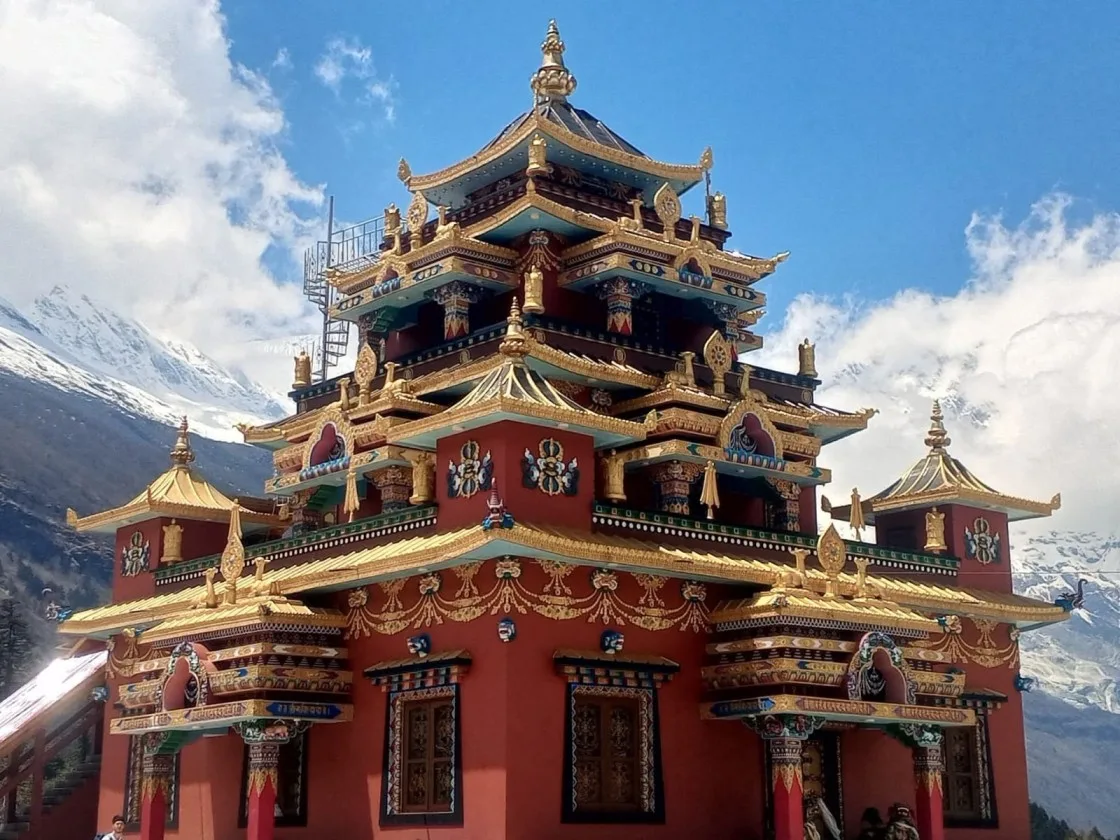
Having completed the Annapurna Circuit and Everest Three Passes over the past decade, Kanchenjunga was in a league of its own. Traversing the high Sele La passes between Pangpema and Oktang with pristine snow conditions and literally zero other commercial groups was an experience of pure wilderness. Igloo Himalaya Treks handled the restricted area logistics and regional flight connections flawlessly. Our guide Dawa was exceptionally knowledgeable and observant of our altitude pacing.
Kanchenjunga Region • Pristine Wilderness of the Five Treasures
5.0
reviews on TripAdvisor
5.0
169 reviews on Google
Kanchenjunga Circuit Trek — 20 Days
Explore both sides of Kanchenjunga on a twenty-day trek through eastern Nepal. Fly to Bhadrapur, continue by road through Phidim to Sekhathum, then walk through Ghunsa and Lhonak to Pangpema.

Travelers' Choice
Best of the Best 2026


ESSENTIAL EXPEDITION DATA
Key Trip Facts
Verified Local Ground Operations
DURATION
20 Days
20 days, including preparation in Kathmandu and 13 trekking and acclimatisation days
DIFFICULTY
Challenging
Challenging; sustained altitude, long walking stages and high passes
MAXIMUM ALTITUDE
5,143 m / 16,873 ft
Pangpema north base camp area, approximately 5,143 m
DESTINATION
Nepal
Nepal
ACTIVITY
Trekking
Trekking
ACCOMMODATION
Hotel & Trail Lodges
3 Kathmandu hotel nights; 14 trail lodge nights; 1 Phidim night; 1 Bhadrapur night
TRANSPORT
Flights & 4WD Jeeps
Return Kathmandu–Bhadrapur flights; jeep journeys via Phidim and Sekhathum; airport transfers
MEALS
Kathmandu & Trek Meals
Kathmandu breakfasts and farewell dinner; trekking meals with seasonal fruit after dinner
RECOMMENDED SEASON
Spring & Autumn
Spring (March–May) and autumn (September–November)
TREK STARTS
Sekathum
Sekathum
TREK ENDS
Rani Pul
Rani Pul
TREK REGION
Kanchenjunga / Eastern Nepal
Kanchenjunga / Eastern Nepal
PACKAGE START POINT
Kathmandu
Kathmandu
PACKAGE END POINT
Kathmandu
Kathmandu
Kanchenjunga Circuit Trek Package Overview
Our twenty-day Kanchenjunga Circuit Trek visits Pangpema on the northern approach and Oktang above the Yalung Glacier on the southern side. The route links Ghunsa, Lhonak, Sele Le and Ramche, with flights through Bhadrapur and jeep journeys through eastern Nepal. A preparation day in Kathmandu comes before the journey to Phidim and the trekking start.
After flying to Bhadrapur, you drive through the eastern hills to Phidim and continue by jeep to Sekhathum. The walking route follows the Ghunsa Khola valley through Amjilosa and Gyabla before reaching Ghunsa. Forest paths, river crossings and village lanes shape these first stages. Wooden houses, prayer flags and monasteries reflect local Buddhist traditions, while a second Ghunsa night allows a shorter acclimatisation walk before continuing towards Kambachen.
Beyond Kambachen, you reach Lhonak and make a return hike to Pangpema for views towards Kanchenjunga’s northern face. Descend to Ghunsa, then climb towards Sele Le and cross the high route to Cheram. The southern excursion continues through Ramche to Oktang before returning to Ramche. Afterwards, descend to Rani Pul and travel back through Bhadrapur.
This is a demanding circuit with repeated nights above 4,000 m, uneven trails and long days between basic lodges. The Ghunsa acclimatisation day provides adjustment time, but several later stages gain substantial sleeping altitude. The guide assesses progress and may change plans when health, snow or trail conditions require it. Previous trekking experience and preparation for consecutive days are recommended.
Accommodation combines mountain lodges, a Phidim guesthouse, a Bhadrapur hotel and three Kathmandu hotel nights. The programme covers preparation, trekking, the domestic flights, road journeys and international departure.
Kanchenjunga Circuit Trek Package Highlights
LOCAL HIMALAYAN OPERATOR
Why Book the Kanchenjunga Circuit Trek Package with Igloo Himalaya Treks?
We help you prepare in Kathmandu and support your walking journey through Kanchenjunga. This package includes the following trekking arrangements.
Trek Briefing and Gear Check
Before leaving Kathmandu, we explain the programme, check your essential equipment and help with last-minute preparations. You can ask questions about the walking days, accommodation and what to carry.
Guide and Porter Support
Your package includes an experienced, licensed trekking guide and one porter per two trekkers. The guide leads your route, while porters carry main luggage within the agreed weight allowance between lodges.
Equipment Provided for the Trek
We supply a sleeping bag, down jacket and duffel bag for the trek. These loan items must be returned afterwards. We check fit and condition before you leave Kathmandu for Bhadrapur.
Communication When Plans Change
Our team discusses changes when flights, roads or walking conditions affect the programme. We explain alternatives and any extra costs beyond the agreed services, including additional nights or transport when delays occur.
Day 1: Arrival in Kathmandu
Arrival — Approximately 1,400 m — Arrival in Kathmandu
Welcome to Nepal. Our representative meets you at Tribhuvan International Airport and takes you to your hotel. After settling in, we discuss the walking programme, check your equipment and answer questions about the route and lodge arrangements.
Depending on your arrival time, you can rest after the flight or explore streets. Tomorrow’s preparation day leaves time to check equipment and documents before travelling towards eastern Nepal and the mountains.
Day 2: Trek Preparation Day in Kathmandu
Trek — Approximately 1,400 m — Trek Preparation Day in Kathmandu
Today is for preparing the trek. Meet the guide, review the itinerary and discuss the mountain stages, permits and daily arrangements. Check your clothing, boots and loan equipment, with time to address any missing essentials before departure.
The remaining time allows you to organise luggage, arrange supplies or rest near the hotel. Keep documents, medicines and valuables in your daypack and prepare for tomorrow’s flight to Bhadrapur and drive.
Day 3: Fly to Bhadrapur and Drive to Phidim
Drive — Phidim, approximately 1,756 m — 1 hour
After the airport transfer, fly from Kathmandu to Bhadrapur in eastern Nepal. From the lowland airport, continue by jeep through the hills towards Phidim, the first overnight stop outside Kathmandu.
The road passes through the Ilam region, with tea-growing hills, roadside towns and cultivated slopes along the journey. Allow time for short stops and changing road surfaces. Arrival depends on the flight schedule and traffic, so keep the evening flexible. At Phidim, check into the guesthouse and prepare for tomorrow’s onward jeep journey to Sekhathum.
Day 4: Jeep from Phidim to Sekhathum
Trek — Approximately 1,645 m — 6–7 hours
We continue from Phidim by jeep towards Sekhathum. The journey follows mountain roads through cultivated hills and villages before reaching the river valley where the walking route begins.
Expect rough surfaces and slow sections as roads narrow. Weather can affect where vehicles stop, so the guide confirms the trailhead. In Sekhathum, settle into the lodge, check your daypack and prepare for tomorrow’s first walking stage towards Amjilosa.
Day 5: Trek from Sekhathum to Amjilosa
Trek — Approximately 2,510 m — 5–6 hours
Our walking day follows the Ghunsa Khola valley from Sekhathum. Forested slopes and river crossings lead into steeper sections as the trail climbs away from the lower valley towards Amjilosa.
The uphill sections require a steady pace, particularly after the two long travel days. Keep water and rain protection accessible, and watch your footing on wet stones. Small villages and cultivated ground appear between the forested stretches. We reach Amjilosa and settle into a basic lodge for the first night of our mountain walking journey.
Day 6: Trek from Amjilosa to Gyabla
Trek — Approximately 2,730 m — 3–4 hours
We leave Amjilosa and continue through wooded hillsides towards Gyabla. Bamboo and other forest growth line parts of the route, while breaks in the trees reveal the valley and surrounding slopes.
The trail includes climbs and descents even though today’s walk is shorter. Take care where roots, stones or damp ground make footing uneven. Arriving in Gyabla, check into the lodge and explore nearby paths if time allows. The afternoon also leaves time to rest before continuing higher towards Ghunsa tomorrow.
Day 7: Trek from Gyabla to Ghunsa
Trek — Approximately 3,595 m — 3–4 hours
Today’s walking route continues up the valley through forest and riverside paths. We pass Phale before reaching Ghunsa, where wooden houses, prayer flags and local monasteries introduce another part of the valley’s Buddhist village life.
Ghunsa is our base for two nights before the northern approach. The rise from Gyabla is substantial, so report headache, nausea or unusual fatigue to your guide. After checking into the lodge, keep the afternoon gentle and prepare for tomorrow’s acclimatisation outing above Ghunsa.
Day 8: Acclimatisation Day in Ghunsa
Acclimatisation — Depends on the selected ridge walk and turnaround point — 2–3 hours for a shorter walk, adjusted to health and conditions
We stay in Ghunsa and take a shorter walk above the village if conditions and health allow. A nearby ridge offers a chance to gain some height before returning to the same lodge afterwards.
Your guide chooses the route and turnaround point according to the group’s progress. Afterwards, return for rest and preparations. This additional night supports adjustment, but it does not remove altitude risk. Tomorrow’s stage continues towards Kambachen, with exposed and increasingly rocky ground.
Day 9: Trek from Ghunsa to Kambachen
Trek — Approximately 4,100 m — 3–4 hours
Leaving Ghunsa, we follow the upper valley towards Kambachen. The route passes through woodland before opening onto rockier slopes, with glacial rivers and mountain views appearing as we climb. Jannu appears where weather and the surrounding ridges allow.
Some sections cross unstable ground, so follow the guide’s directions and keep moving through exposed areas. The higher altitude makes the walking slower even where gradients ease. Reach Kambachen, settle into the lodge and rest before tomorrow’s ascent to Lhonak.
Day 10: Trek from Kambachen to Lhonak
Trek — Approximately 4,780 m — 6–7 hours
We continue towards Lhonak through a broadening glacial valley. Trees fall behind, leaving open slopes, stones and mountain views. The trail is exposed to wind, and crossing uneven ground requires attention as altitude makes sustained effort feel harder.
Today’s sleeping altitude is higher than Kambachen, without an extra acclimatisation day there. Tell your guide how you feel throughout the stage. At Lhonak, settle into the basic lodge, keep warm and review tomorrow’s Pangpema hike according to your health.
Day 11: Hike to Pangpema North Base Camp and Return to Lhonak
Trek — Pangpema north base camp area, approximately 5,143 m — 7–8 hours for the return excursion
We leave Lhonak early for the return hike to Pangpema. The route follows the glacial valley over rough ground, with the altitude and exposure making steady pacing especially important.
Pangpema is the northern base camp area beneath Kanchenjunga. In clear weather, the mountain’s north face and peaks rise above the glacier. Spend time at the viewpoint while your guide checks conditions and the group’s progress.
After spending time at the viewpoint, return along the same trail to Lhonak. Stay in the lodge again and prepare for tomorrow’s descent through Kambachen to Ghunsa.
Day 12: Trek from Lhonak to Ghunsa
Trek — Approximately 3,595 m — 6–7 hours
We retrace the northern approach from Lhonak, passing Kambachen before returning to Ghunsa. The route loses altitude, with trees gradually reappearing after the open ground of the upper valley.
Although we finish lower, the length and rough sections make this a full walking day. Take care on descents and exposed stretches, allowing time for breaks as needed. Back in Ghunsa, settle into the lodge and organise your equipment for the different route towards Sele Le tomorrow, across higher ground.
Day 13: Trek from Ghunsa to Sele Le
Trek — Approximately 4,290 m — 5–6 hours
We leave the Ghunsa valley and climb towards Sele Le. Forest paths lead onto higher slopes, with steeper sections and rough ground before reaching the high camp area. This route connects the northern approach with Kanchenjunga’s southern valleys.
Today brings another substantial rise in sleeping altitude after last night in Ghunsa. Walk steadily and report symptoms early. Facilities at high camp are limited, so prepare warm layers, gloves and your headlamp before resting for tomorrow’s crossing towards Cheram.
Day 14: Cross the High Passes from Sele Le to Cheram
Trek — Cheram, approximately 3,875 m — 7–8 hours
We make an early start for the high route from Sele Le to Cheram. Several climbs and descents link the passes, with exposed ground and possible snow affecting progress.
This is one of the circuit’s longest, most demanding days. In clear weather, the ridges provide broad Himalayan views, but wind and cloud can change quickly. Follow the guide’s chosen line and keep warm clothing accessible.
After crossing the high ground, descend into the Yalung Valley towards Cheram. We stay in a lodge at a lower elevation and rest after the walking stage.
Day 15: Trek from Cheram via Ramche to Oktang and Return to Ramche
Trek — Oktang south base camp viewpoint, approximately 4,730 m — Allow approximately 6–8 hours for the complete stage
Leaving Cheram, follow the upper Yalung Valley towards Ramche, passing open slopes and glacial ground. After a break, continue towards Oktang for the mountain views above the Yalung Glacier.
In clear weather, the viewpoint reveals Kanchenjunga’s southern side and neighbouring peaks above the glacier. Kabru and Rathong form part of the mountain setting. The guide chooses the turnaround according to visibility, trail conditions and health.
Return to Ramche after the viewpoint visit and settle into the lodge. Tonight’s stop remains higher than Cheram, so report discomfort and prioritise rest before tomorrow’s descent.
Day 16: Trek from Ramche to Torongding
Trek — Approximately 2,995 m — Allow approximately 6–7 hours for the full descent
We descend from Ramche through Cheram and continue down the Yalung Valley towards Torongding, also written Tortong. The route returns to forest after the open terrain around the glacier and lodges.
The descent can be tiring on your knees, with stones, roots and damp sections requiring care. Keep a steady pace and take breaks rather than rushing downhill. As the valley becomes more wooded, conditions warm. Reach Torongding and settle into a basic lodge for the night before tomorrow’s final stage.
Day 17: Trek from Torongding to Rani Pul
Trek — Approximately 1,430 m — Allow approximately 6–8 hours
Our final trekking day continues from Torongding towards Rani Pul. The route passes through wooded slopes and lower valleys, with warmer conditions replacing the cold of the higher stages.
Climbs and uneven sections remain part of the walk even though we finish lower. Wet paths can be slippery, particularly after rain, so keep your footing careful. On reaching Rani Pul, check into the lodge and prepare your bags for tomorrow’s jeep journey back towards Bhadrapur after completing the circuit.
Day 18: Jeep from Rani Pul to Bhadrapur
Trek — Bhadrapur, approximately 91 m — 9–10 hours
We leave Rani Pul by jeep and travel through eastern Nepal towards Bhadrapur. The journey crosses hill roads before descending into lowlands near the airport for tomorrow’s flight.
Expect a long road journey, with timing dependent on traffic, weather and road surfaces. Keep water, medicines and an extra layer accessible. On reaching Bhadrapur, check into the hotel, organise your luggage and confirm the airport transfer for tomorrow.
Day 19: Fly from Bhadrapur to Kathmandu
Flight — Approximately 1,400 m — 1 hour
After transferring to Bhadrapur Airport, take the return flight to Kathmandu. On arrival, continue to the hotel for your final night, with time to rest after the journey.
The remaining time may allow shopping or a walk near the hotel, depending on the flight schedule. A farewell dinner is included in Kathmandu. Organise your belongings and confirm tomorrow’s airport transfer before your international departure from Nepal afterwards.
Day 20: Departure from Kathmandu
Departure — Kathmandu, 1,400 m — Departure from Kathmandu
Your twenty-day Kanchenjunga journey ends today. After breakfast, prepare for your onward travel. Depending on your departure time, there may be an opportunity for a final walk near the hotel before leaving for the airport.
Our representative accompanies you to Tribhuvan International Airport for your departure.
What’s Included in the Kanchenjunga Circuit Trek Package
Airport transfers
Pickup and drop-off for your arrival and departure in Kathmandu.
Domestic transport
Return Kathmandu–Bhadrapur flights, plus the jeep journeys through Phidim to Sekhathum and from Rani Pul to Bhadrapur.
Accommodation
Three nights in a three-star Kathmandu hotel with breakfast, plus twin-sharing trekking lodges. Your quotation confirms the Phidim guesthouse and Bhadrapur hotel arrangements before departure.
Meals
Trekking breakfast, lunch and dinner, seasonal fruit after trekking dinners, tea or coffee as quoted, Kathmandu breakfasts and a farewell dinner. Travel-day meals are confirmed with you before departure.
Guide and porter
An experienced, licensed trekking guide and one porter shared between two trekkers.
Permits and entry fees
Kanchenjunga Restricted Area Permit and Kanchenjunga Conservation Area Permit, arranged for your trekking programme.
Trekking equipment
A sleeping bag, down jacket and duffel bag are loaned for this trek. All three must be returned afterwards.
First-aid supplies
A medical kit carried by your guide during the programme.
Staff arrangements
Insurance, wages, accommodation, meals and equipment for the team.
Trip administration
A trekking map, government taxes and official service charges for the programme.
What’s Not Included in the Kanchenjunga Circuit Trek Package
International flights and Nepal visa
Airfare to and from Nepal and your visa fee.
Travel insurance
The cost of your policy, which must cover high-altitude trekking and emergency helicopter evacuation.
Emergency evacuation
Helicopter rescue, medical treatment and associated emergency expenses are excluded from the package price.
Personal equipment
Boots, clothing, poles and other personal items beyond the sleeping bag, down jacket and duffel bag provided.
Extra food and drinks
Snacks, bottled water, alcoholic drinks and beverages beyond included meals, seasonal fruit and tea or coffee.
Other Kathmandu meals
Lunches and dinners apart from the farewell dinner in your package.
Lodge services
Hot showers, charging and other personal services.
Guide and porter tips
Gratuities for your trekking team.
Additional accommodation or transport
Extra nights, optional activities and costs arising from delays, early returns or changes outside the programme.
Kanchenjunga Circuit Trek Package Dates & Availability
Group Departures
If you would like to trek with other travellers, ask us about upcoming group departures. We’ll confirm the available dates, spaces and price for your chosen departure.
04
OCT
Oct 04 – Oct 23, 2026
AVAILABLE$1,995 pp
16
OCT
Oct 16 – Nov 04, 2026
AVAILABLE$1,995 pp
What to Pack for the Kanchenjunga Circuit Trek Package
Pack layers for warmer walking days, cold mornings and evenings, and changing weather at higher elevations. Keep water, a warm layer, rain protection, medicines and valuables in your daypack. Use your main duffel for the rest of your belongings.
Hiking Gear
Footwear, daypack, trekking poles and trail essentials
Category Tip: Break in your trekking boots thoroughly prior to departure to avoid friction blisters on mountain trails.
Clothing
Moisture-wicking base layers, warm mid-layers and weather protection
Category Tip: We provide an insulated down jacket, which must be returned after the trek.
Sleeping Equipment
Sleeping bag and personal comfort accessories
Category Tip: A sleeping bag liner adds noticeable warmth and keeps your sleeping bag fresh.
Toiletries & Hygiene
Personal hygiene, sun protection, skin care and first aid supplies
Category Tip: Carry hand sanitiser, toilet paper and blister dressings inside your daypack for easy access.
Electronics
Headlamp, power banks, camera and universal adapters
Category Tip: Keep camera and phone batteries inside inner pockets or your sleeping bag to prevent rapid power loss in freezing temperatures.
Documents & Personal Items
Passports, permits, travel insurance, cash and emergency details
Category Tip: Always carry sufficient cash in Nepali rupees as ATMs are unavailable in upper mountain villages.
Luggage & Daypack Guidance
A loan duffel bag is provided and returned after trekking. We check essential equipment before departure. Keep your passport, money and electronics in your daypack throughout trekking.
Trek Difficulty and Fitness
The Kanchenjunga circuit is challenging because it combines consecutive mountain days, high overnight stops and a long pass crossing. Expect steep climbs, uneven glacial ground and extended descents. Normal conditions require trekking rather than technical climbing, but snow can make parts of the route substantially harder.
Previous mountain trekking experience is strongly recommended. Build endurance for consecutive walking days and become comfortable with basic lodges and carrying a daypack.
Begin preparing around two to three months beforehand, allowing longer if you are starting from a low fitness level. Gradually combine regular walks, hill hikes and strength exercises. Practise in the boots you will wear on the trek.
Altitude and Acclimatisation
The Ghunsa acclimatisation day includes another night at the same elevation. Later stages still gain substantial sleeping height, so the guide reassesses progress and adjusts the programme when needed.
Tell your guide immediately about headaches, nausea, dizziness or unusual fatigue. Do not continue to a higher sleeping altitude while experiencing symptoms of altitude illness. If symptoms worsen despite resting at the same elevation, descent is necessary. Reaching either base camp remains secondary to your health.
Medical Conditions and Travel Insurance
If you have an existing medical condition, seek advice from a healthcare professional familiar with high-altitude travel before booking. Discuss your planned route and any medicines you take.
Travel insurance is compulsory. Confirm cover for trekking to at least the planned Pangpema height of approximately 5,143 metres, medical treatment and emergency helicopter evacuation in Nepal. Check exclusions, excess charges and assistance procedures. Carry your policy details and emergency contact number throughout.
Accommodation and Room Facilities
The itinerary includes three Kathmandu hotel nights, fourteen trail lodge nights, one Phidim night and one Bhadrapur night. Trekking rooms are basic and usually twin-sharing, with shared toilets common higher up.
Expect limited facilities at Lhonak, Sele Le and Ramche, with cold nights and simple rooms. Lodge openings depend on season and conditions. Private rooms, attached bathrooms and reliable heating are not guaranteed throughout the complete walking route.
Food and Dietary Requirements
Breakfast, lunch and dinner are included during the trek. Teahouse menus commonly offer dal bhat, noodles, potatoes, soups and other straightforward meals.
Tell us about allergies or dietary requirements before booking so we can discuss what can be arranged along the route. Explain any strict requirements clearly, including concerns about shared cooking equipment.
Drinking Water
Carry reusable bottles and drink boiled or appropriately treated water. Water from a clear stream or an untreated tap may still contain germs.
Boiling is the most reliable way to kill germs. If boiling is unavailable, filtration followed by disinfection offers broader protection than many portable filters alone. Follow the instructions for your treatment equipment or tablets.
Guide and Porter Support
Your package includes an experienced, licensed trekking guide and one porter per two trekkers. Porters carry agreed main luggage; you carry your daypack. Confirm weight limits, guide language and single-traveller arrangements before departure.
Showers, Charging and Communication
Hot showers and device charging cost extra where available. Mobile reception, Wi-Fi and power supplies vary considerably, especially at higher lodges. Carry a power bank and spare headlamp batteries, and tell family that you may be out of contact during parts of this extended trekking journey.
Permits and Documents
We arrange the Kanchenjunga Restricted Area Permit and Conservation Area Permit for the agreed route. Current participation rules, application timing and documents are confirmed before departure. Carry your passport and insurance details; arrange your Nepal visa.
Flight Delays and Extra Time
Bhadrapur flights may be delayed or cancelled by weather or operating conditions. The jeep journeys also depend on road access, traffic and landslide damage.
There is no delay day after the trek. Allow flexibility before international departure; extra accommodation or alternative transport outside agreed services may cost more.
Altitude Profile of the Kanchenjunga Circuit Trek Package
The route climbs through Ghunsa and Kambachen to Lhonak, the highest overnight stop. After visiting Pangpema and descending to Ghunsa, you climb again towards Sele Le. The southern excursion reaches Oktang before returning to Ramche. The table distinguishes sleeping elevations from the higher daytime visits.
Interactive elevation map showing daily gain and acclimatisation stopping points. Switch units below to convert between metres (m) and feet (ft).
Overnight Altitudes
Elevation BreakdownElevations are approximate and follow the overnight stops in our itinerary.
Higher Places You Visit
Day excursions, high pass crossings and glacier viewpoints reaching higher elevations than overnight lodges
Day 8 • Acclimatisation Excursion
Acclimatisation Hike
Ghunsa Acclimatisation Hike
The guide chooses the route and turnaround according to conditions.
Day 11 • North Base Camp Viewpoint
5,143 m
Pangpema (North Base Camp)
Approximately 5,143 m, the highest planned point, followed by a return to Lhonak.
Day 14 • High Pass Crossing
4,660 m
Mirgin La & Sinion La Passes
Follow the Sele Le route through Mirgin La before descending to Cheram.
Day 15 • South Base Camp Viewpoint
4,730 m
Oktang Viewpoint (South Base Camp)
Around 4,730 m, followed by the overnight lodge stay in Ramche.
Acclimatisation & Pace Note: The Ghunsa repeat night supports acclimatisation. Two Lhonak nights allow the northern excursion. Ramche has one night, after the southern visit. Altitude gains remain substantial.
Weather and Best Time for the Kanchenjunga Circuit Trek Package
Spring, from March to May, and autumn, from September to November, are generally the main seasons for this circuit. Forest walking, both base camp excursions and the high-pass link depend on local weather, with snow, cloud and road disruption still possible during these months.
Find out the temperature ranges you will experience along the trail. Toggle between daily variation and monthly averages, and switch units below to convert between Celsius (°C) and Fahrenheit (°F).
Seasonal Weather Conditions
Year-Round Climate PatternsThese are seasonal patterns; conditions can vary from year to year and during an individual trek.
How Weather Changes Along the Route
Elevation gradients & trail exposureSekhathum and the lower valleys can feel warm and humid. Conditions grow colder towards Lhonak and Ramche, while the Sele Le crossing exposes you to wind and snow on ridges.
Even during spring and autumn, nights above 4,000 metres can fall below freezing. Cloud may build during the day, and fresh snow can slow the high crossing. Keep warm layers, waterproofs, gloves and a headlamp accessible throughout the trek.
Carry warm layers, sun protection, and reliable weather protection accessible in your daypack throughout the route.
Which Season Should You Choose?
Optimal timing for trek prioritiesChoose spring for warming lower valleys and flowering forests. Choose autumn, especially October, if mountain visibility is your priority. The complete circuit still depends on pass conditions and lodge openings.
Winter and monsoon require considerably more planning and schedule flexibility.
Contact our mountain team to check real-time trail conditions, lodge openings, and road access for your preferred travel window.
Kanchenjunga Circuit Trek Route Map
Detailed topographical route map and elevation profile of the 20-Day Kanchenjunga Circuit Trek. Trace the complete route starting from Kathmandu and Bhadrapur through Phidim, Sekhathum (1,650 m), Amjilosa (2,510 m), Gyabla (2,730 m), Ghunsa (3,595 m), Kambachen (4,100 m), and Lhonak (4,780 m) to Pangpema North Base Camp (5,143 m), crossing the high Sele La Pass (4,290 m) to Cheram (3,875 m), Ramche, and Oktang South Base Camp (4,730 m) before descending through Torongding (2,980 m) and Rani Pul.
Best Himalayan Trekking Reviews
4.9 / 5
(128+ Reviews)
Over 15,000 adventure seekers have explored Everest, Annapurna, and Kanchenjunga with Igloo Himalaya Treks. Hear directly from trekkers who have conquered both Base Camps of Mt. Kanchenjunga.

25 October

18 October

14 October

22 October

 Guided by Dawa Sherpa


Kanchenjunga Circuit Trek Package FAQs
Everything you need to know about altitude safety, packing, teahouses, and travel sequence before embarking on the twenty-day Kanchenjunga Circuit.
General & Route
Can I do this trek without previous trekking experience?
This circuit is better suited to people with previous mountain trekking experience. Long stages, basic lodges, high sleeping elevations and the Sele Le crossing make it demanding. Discuss your fitness and background before choosing this demanding twenty-day programme.
What is the highest altitude on this itinerary?
The highest planned visit is Pangpema, approximately 5,143 metres. Lhonak, at around 4,785 metres, is your highest overnight stop. The southern excursion reaches Oktang, approximately 4,730 metres, before returning to the mountain lodge in Ramche overnight.
Do we visit both Kanchenjunga base camp areas?
Yes. Day 11 visits Pangpema on the northern approach and returns to Lhonak. Day 15 climbs from Cheram to Oktang for views towards the southern face of Kanchenjunga and Yalung Glacier.
Do we sleep at either base camp?
No. Pangpema is visited from Lhonak, and the southern viewpoint is visited from Ramche. The itinerary uses lodge accommodation at both overnight bases. Camping at either base camp is not included; seasonal lodge availability is checked before your departure.
Are acclimatisation days complete rest days?
Day 8 usually includes a shorter hike above Ghunsa, followed by another night in the village. The guide chooses the walk according to conditions. Later stages still gain significant altitude and may require further adjustment.
Does being fit protect me from altitude sickness?
No. Fitness helps with the walking effort but does not prevent altitude illness. Experienced trekkers can also become unwell. Follow the guide’s assessment, report symptoms early and avoid assuming that the acclimatisation day makes every later ascent safe.
What should I do if I feel unwell at altitude?
Tell your guide immediately about headache, nausea, dizziness or unusual fatigue. Do not move to a higher sleeping altitude while symptoms persist. If symptoms worsen at the same elevation, descent is necessary. Reaching either viewpoint is secondary.
How does the overland package differ from this itinerary?
The overland Kanchenjunga package uses road travel between Kathmandu and Taplejung. This version flies between Kathmandu and Bhadrapur, followed by jeep travel to and from the trail, saving four days of overland driving.
Do I need to carry my main trekking bag?
One porter is provided for every two trekkers, carrying main luggage within the agreed allowance. You carry water, warm layers, medicines and daily essentials in a daypack. Confirm weight limits and porter arrangements before departure.
Do I need to bring a sleeping bag and down jacket?
We provide a sleeping bag, down jacket and duffel bag for the trekking programme. All three loan items must be returned afterwards. Bring your own boots, clothing and personal supplies, and confirm equipment suitability for the season.
Can I book as a solo traveller?
The starting price for one person is USD 2,155. Send your preferred dates so we can check availability, guide allocation and permit arrangements for the circuit.
Is insurance covering trekking to 5,000 metres sufficient?
A 5,000-metre limit is below Pangpema’s planned height of approximately 5,143 metres. Ask your insurer to confirm written cover for the full route, emergency helicopter evacuation and medical treatment, including exclusions, excess charges and the emergency assistance procedure.